Japan, served plant-based.
Shojin ryori, tofu and miso, everyday home cooking, fermentation, seasonal ingredients, and the quiet details of how food is actually eaten in Japan.
Built from lived experience in Japan and the United States, plus an original archive of vegetarian and vegan cooking photographs.
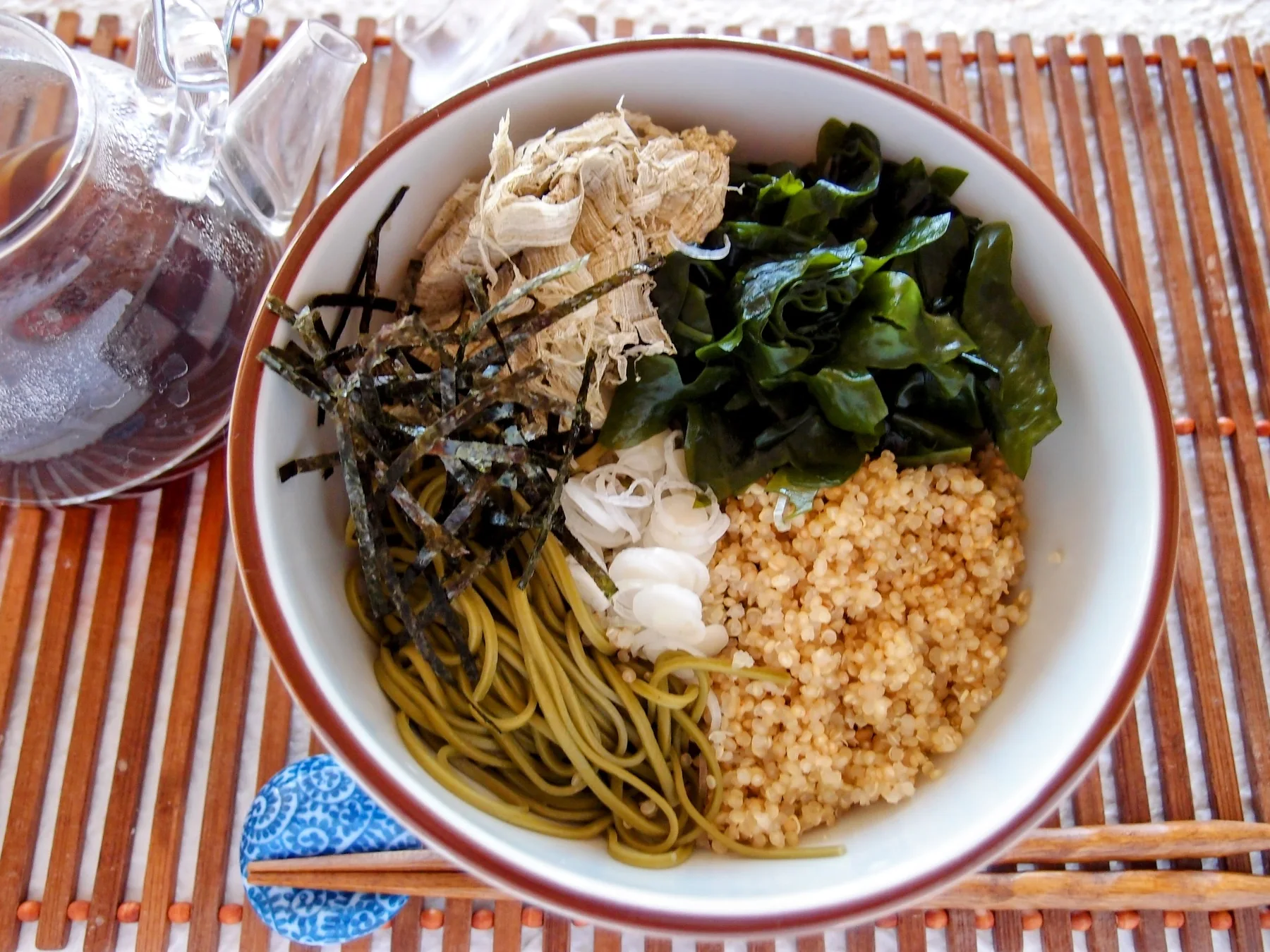 Original recipe archive
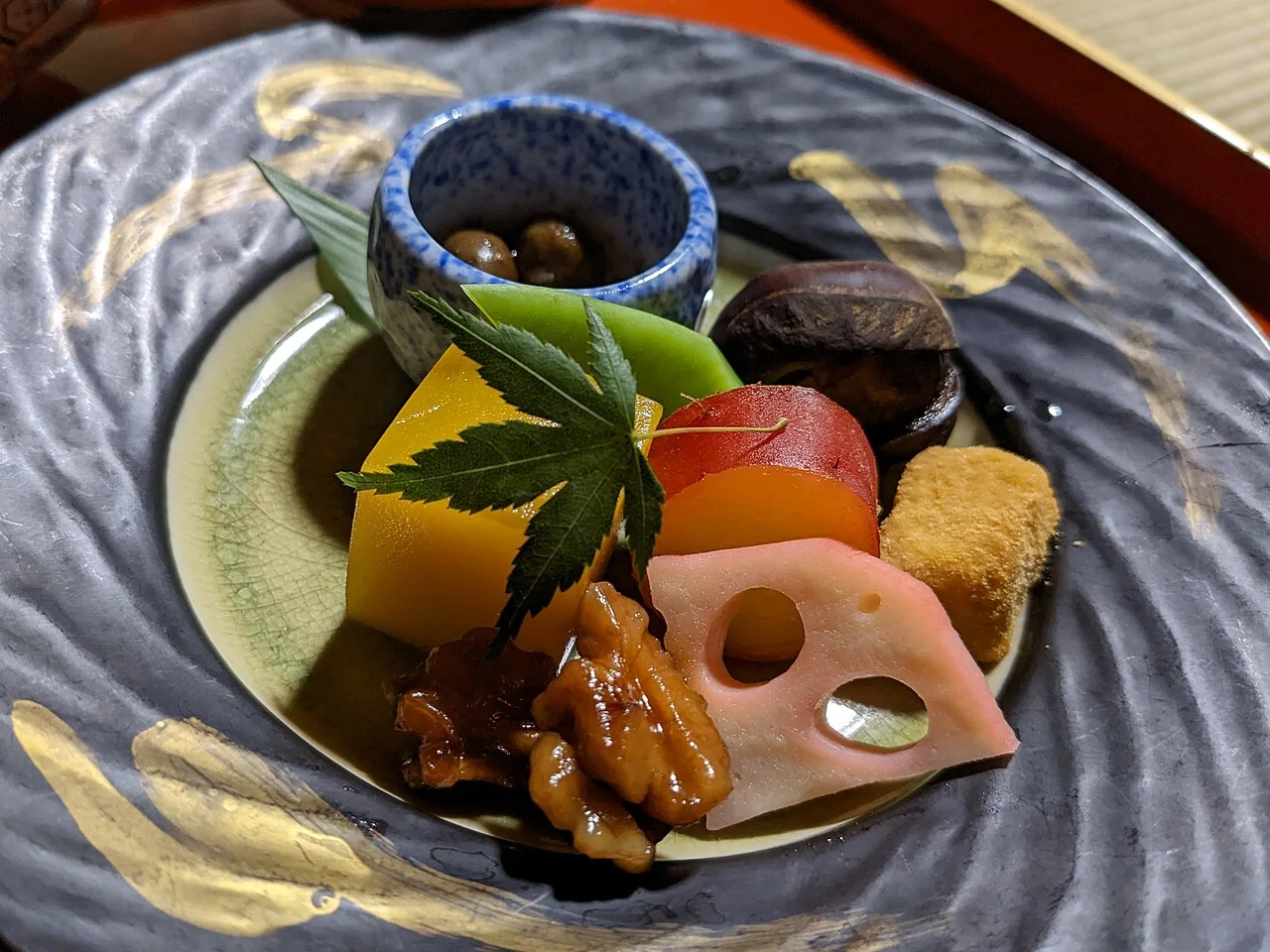 Shojin ryoriJpatokal · CC BY-SA 4.0
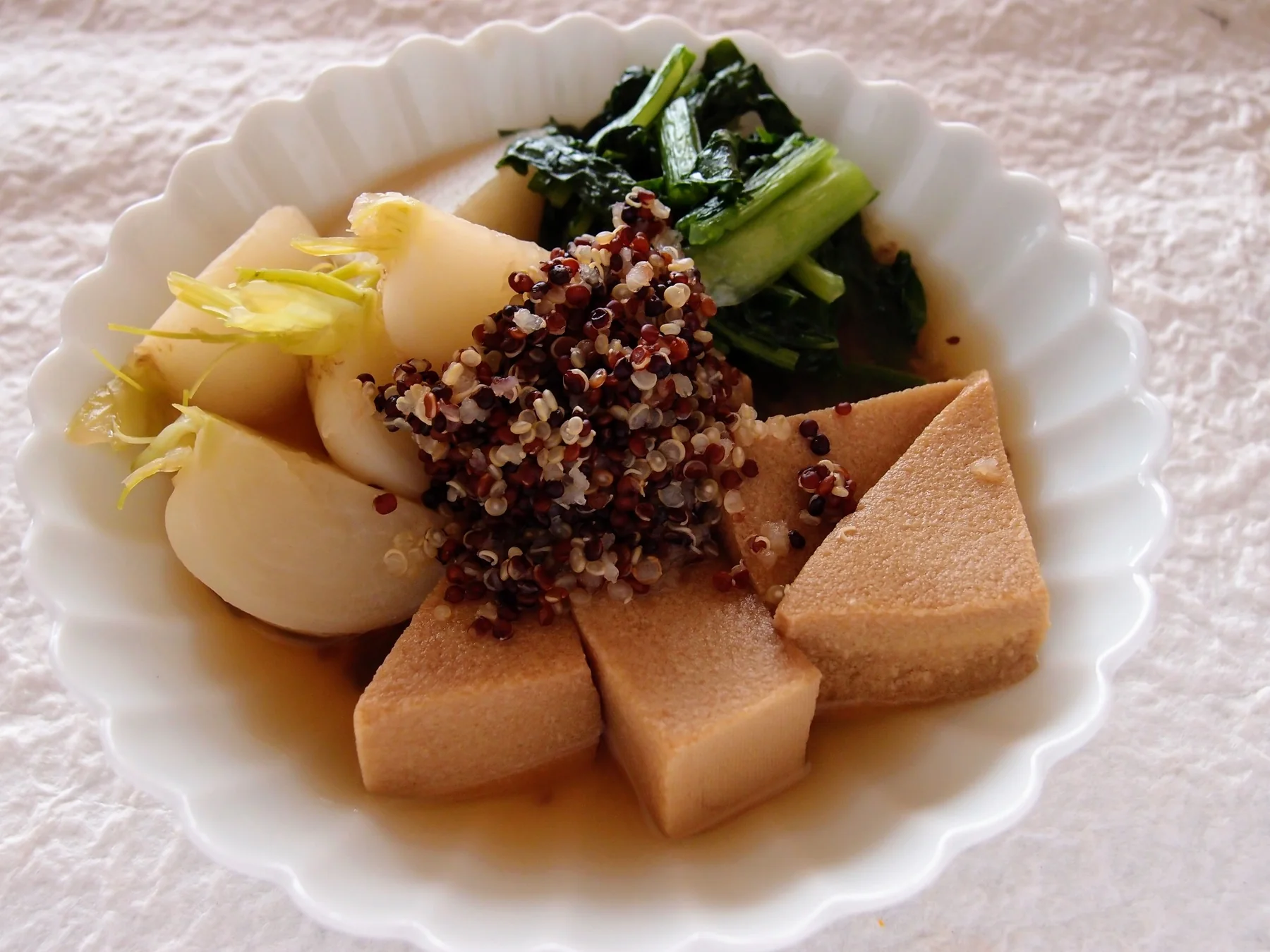 Everyday plant-based
Japan
to the world
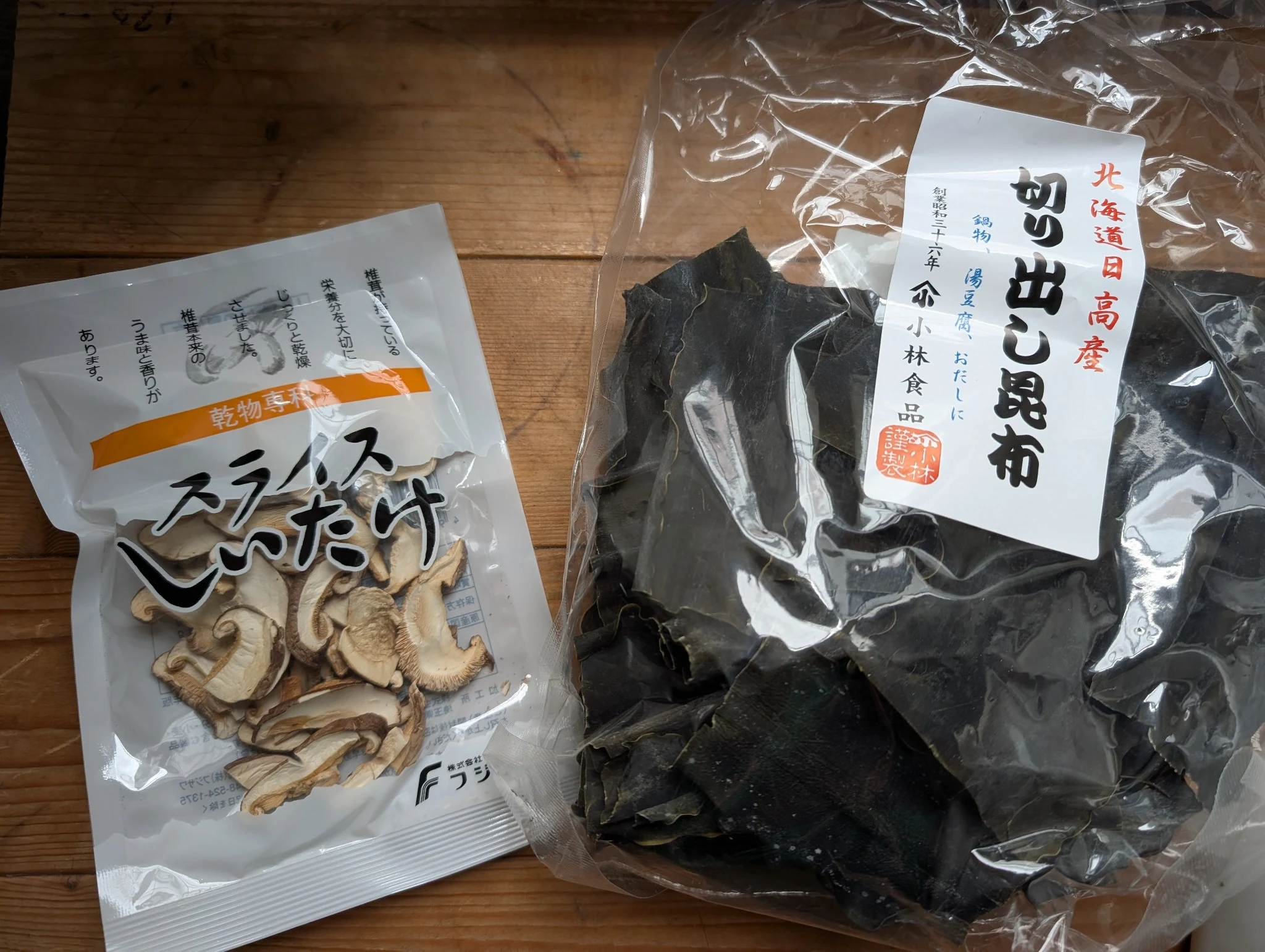
What Is Kombu? How to Choose It for Vegan Dashi
Choose plain dried kombu for vegan dashi with a quick guide to Japanese labels, common kelp varieties, cooking uses, and US shopping.
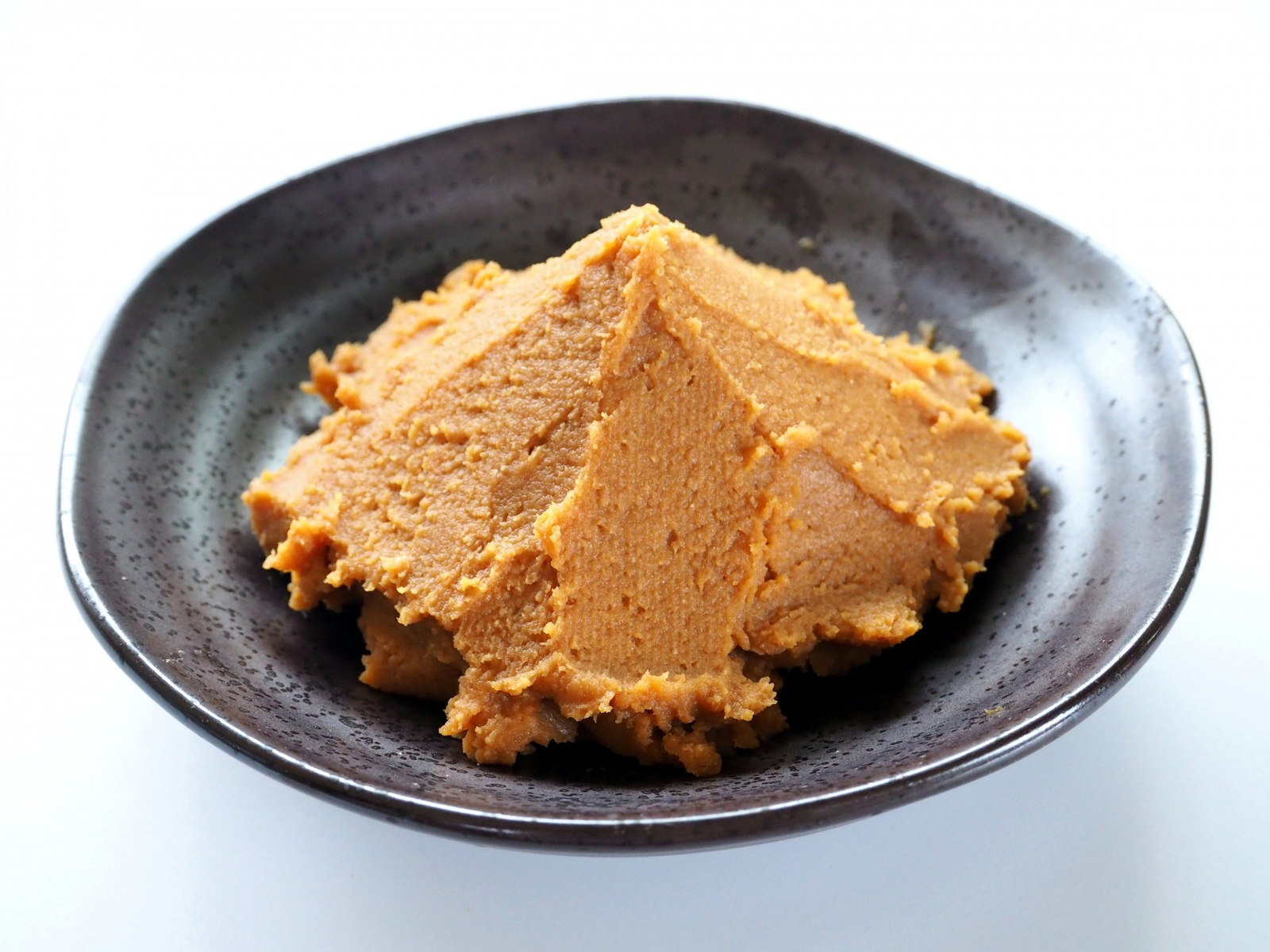
Is Miso Vegan? How to Read Japanese Miso Labels
Plain miso is usually vegan, but some seasoned miso contains fish-based dashi. Learn the Japanese label terms and three quick checks before buying.
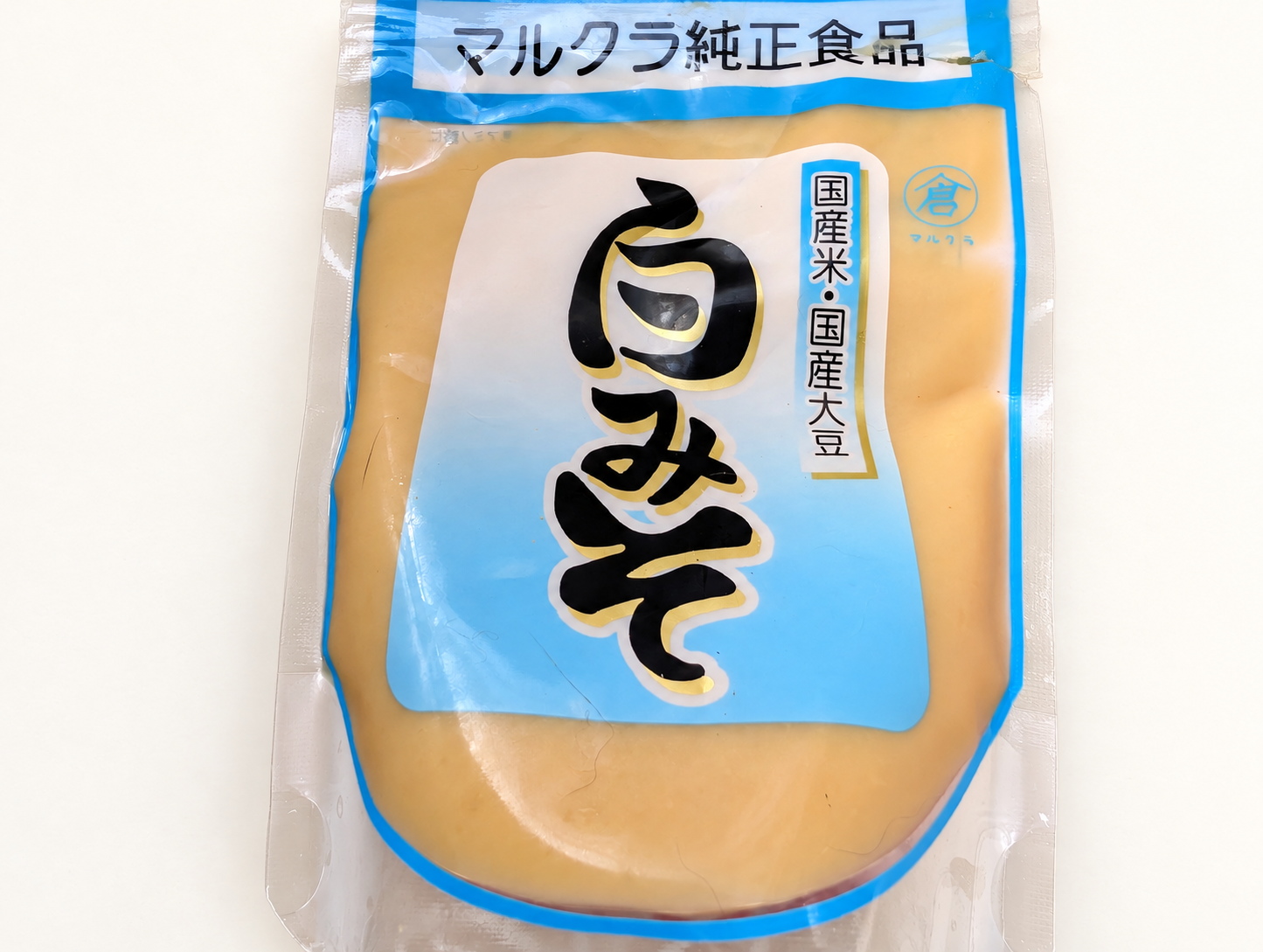
Is Miso Soup Vegan? How to Spot Fish-Based Dashi
Miso soup can be vegan, but the broth and seasonings matter. Learn what to check in restaurants, miso paste, and instant soup packets.
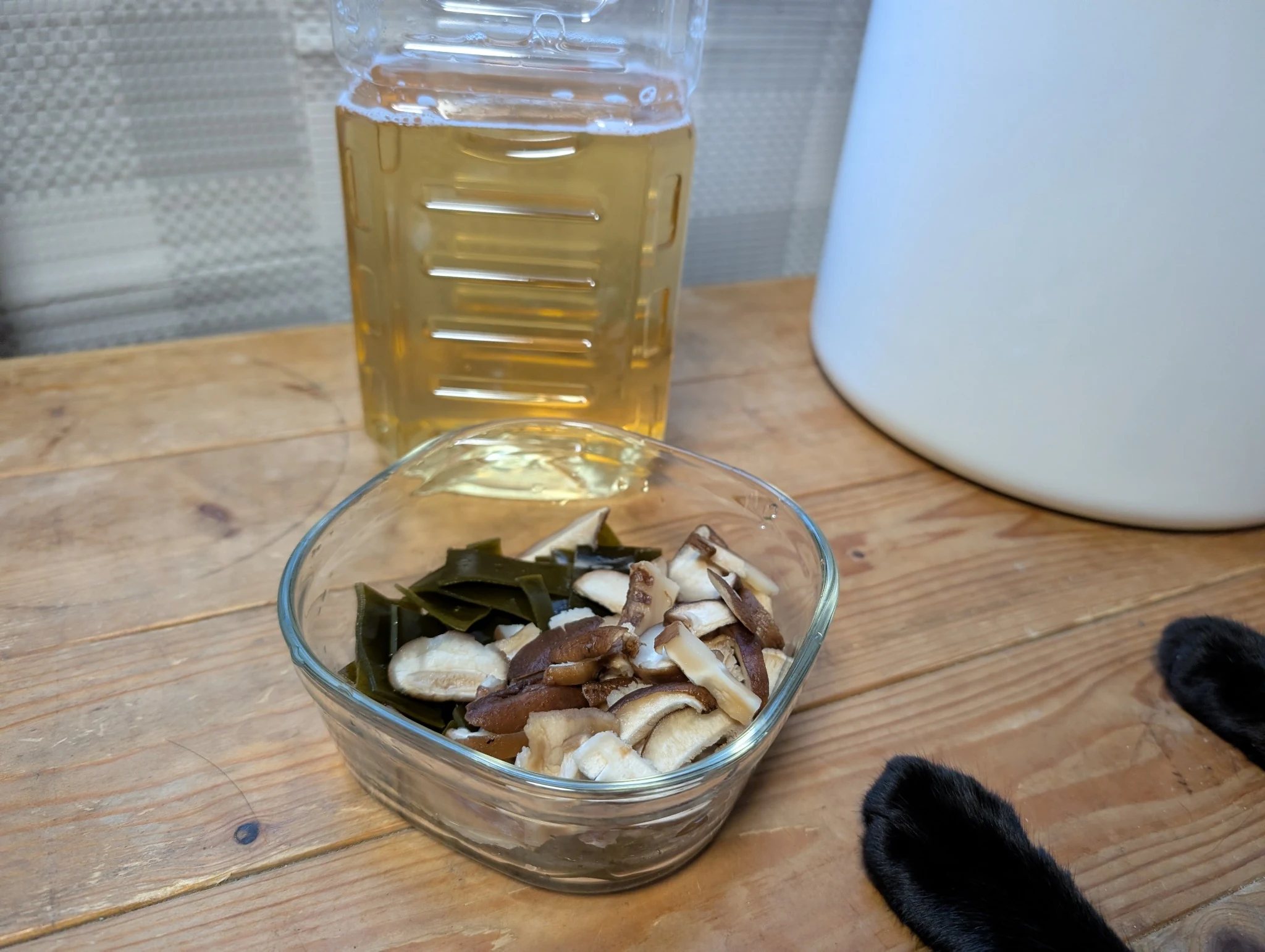
Vegan Dashi Recipe with Kombu and Dried Shiitake
Make cold-brew vegan dashi with kombu and dried shiitake, then reuse the softened ingredients in tsukudani, miso soup, or stir-fries.
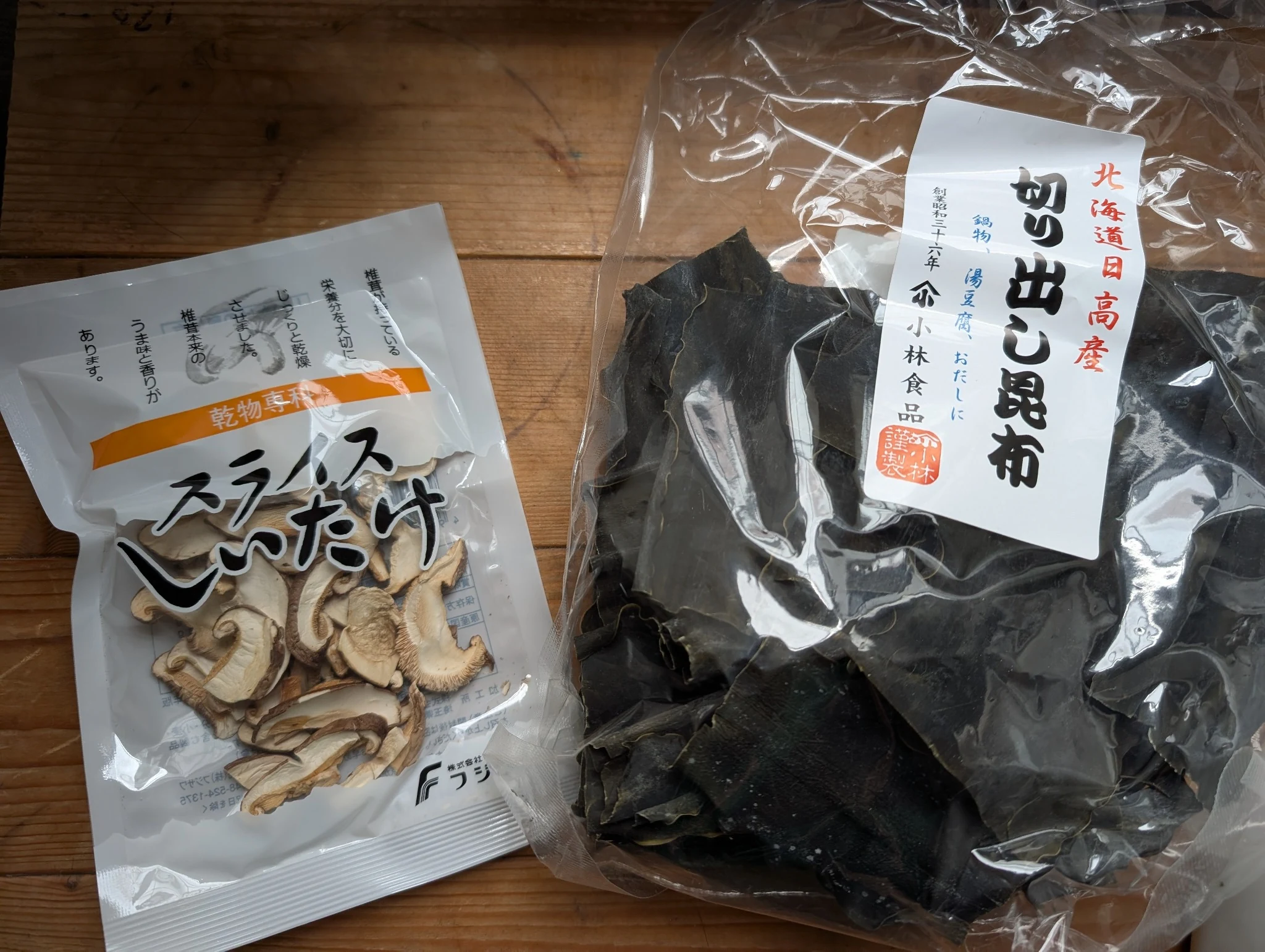
Is Dashi Vegan? How to Check Japanese Dashi for Fish Ingredients
Dashi can be vegan or fish-based. Learn how to check Japanese dashi ingredients and identify plant-based kombu, shiitake, and soybean stock.
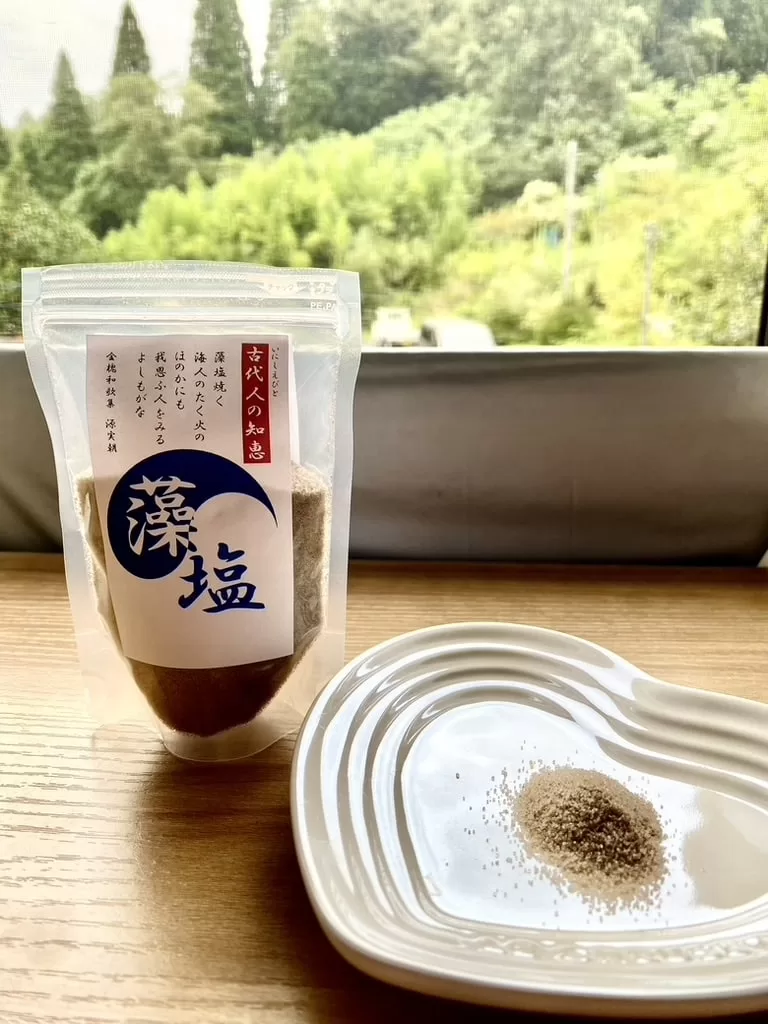
How to Use Moshio: Japanese Seaweed Salt for Rice, Onigiri and Everyday Cooking
Put Japanese seaweed salt to everyday use with rice, onigiri, vegetables, tofu, and soups. Start small, adjust to taste, and learn when regular salt is enough.
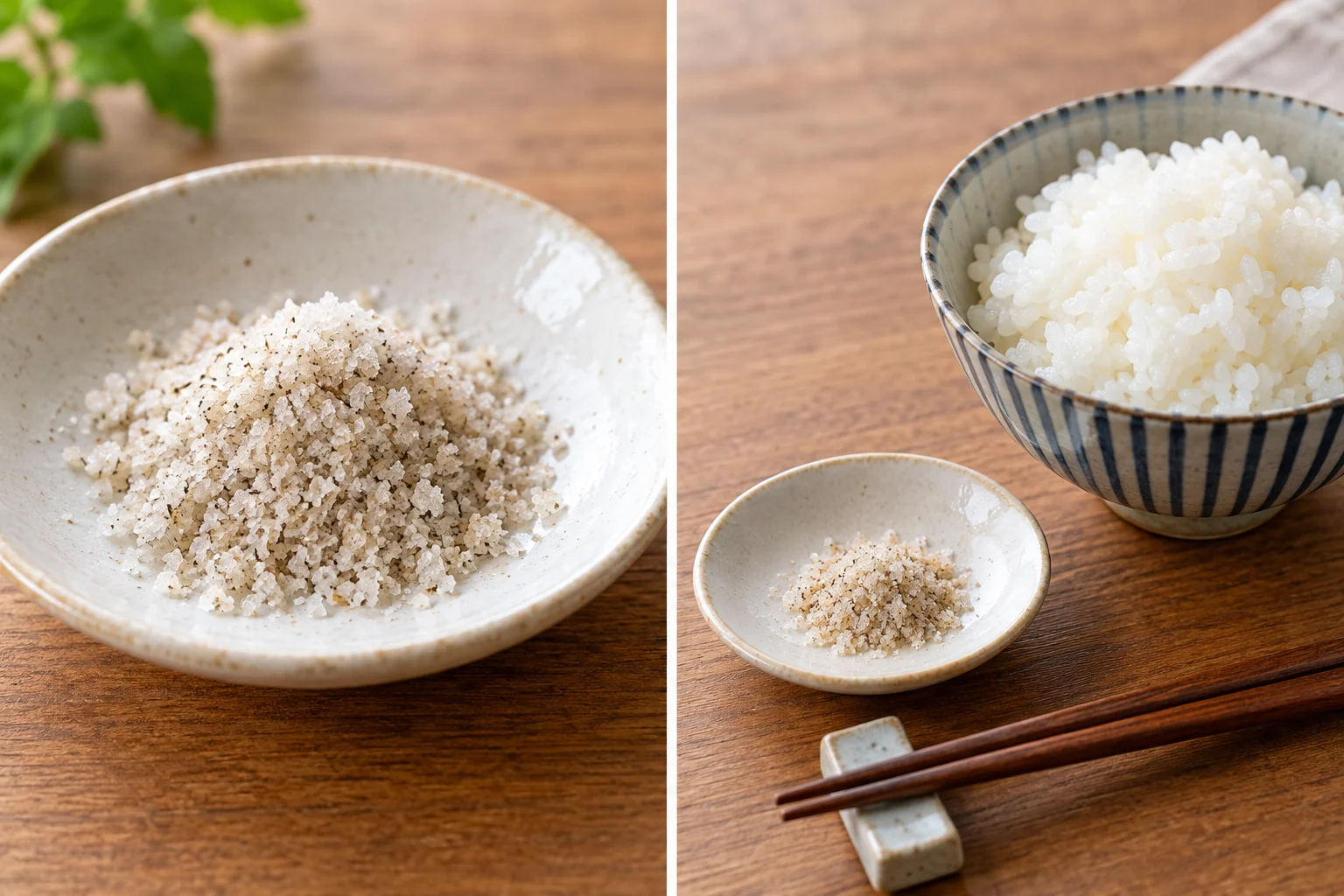
What Is Moshio Salt? Japanese Seaweed Salt Explained
Moshio is a Japanese seaweed salt made with seawater and seaweed. Learn how it differs from regular sea salt, how it’s made, and how to use it.
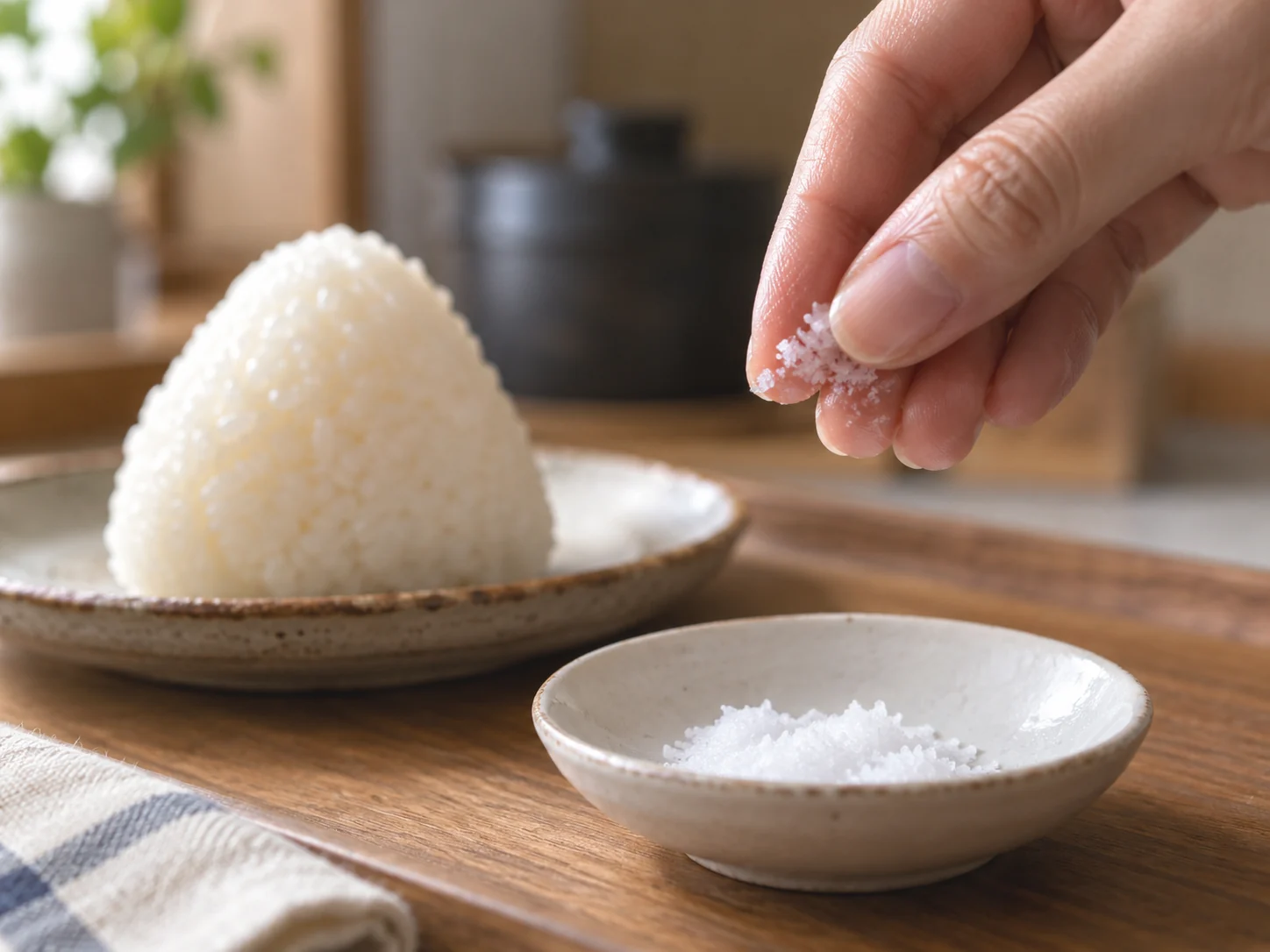
How to Salt Onigiri: How Much Salt to Use
How much salt does one onigiri need? Learn the hand-salting method, the 0.6 g reference amount, and practical options for plastic wrap and molds.
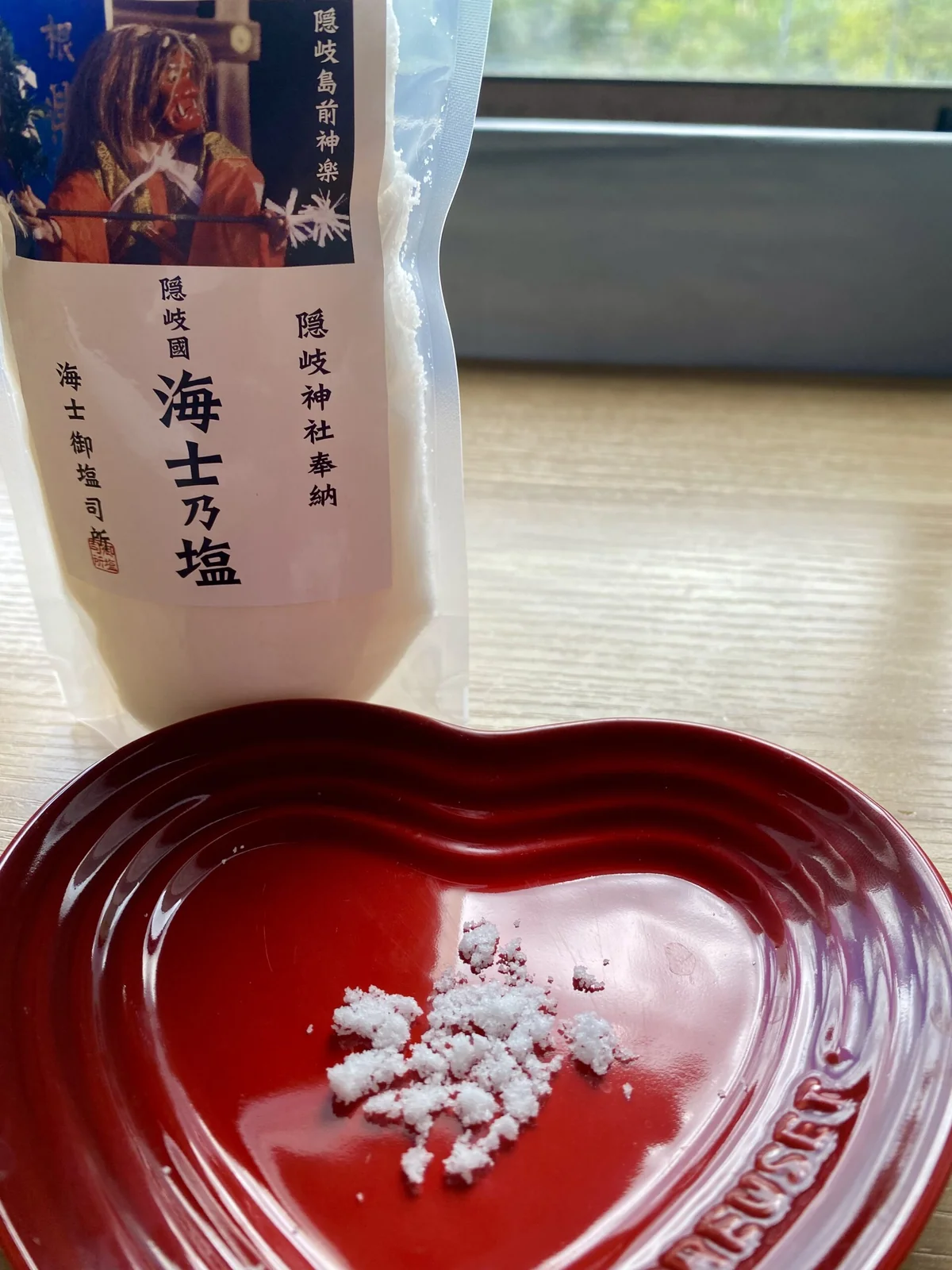
Best Salt for Onigiri: What to Look for in Japanese Sea Salt
Fine grains, balanced saltiness, and the way a salt works with warm rice matter more than an expensive label. Here is how I choose salt for Japanese onigiri.

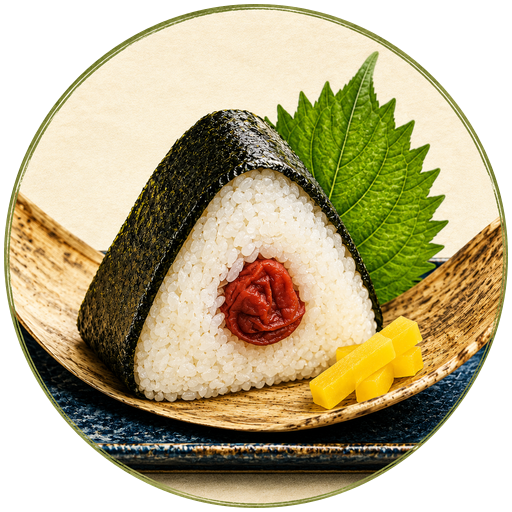
Vegan Onigiri: 8 Authentic Japanese Rice Ball Fillings
Discover eight vegan onigiri filling ideas rooted in Japanese home cooking, from umeboshi and kombu to shiitake, miso, red shiso, and kinpira gobo.
Not one kind of Japanese vegan food.
Temple cuisine, supermarket staples, tofu and seaweed, home cooking, fermentation, and the way Japanese ingredients change when they travel abroad.
Jpatokal · CC BY-SA 4.0Shojin Ryori
Buddhist temple cuisine, seasonality, restraint and context.
Japanese Pantry
Tofu, miso, kombu, shiitake, sesame, vinegar and more.
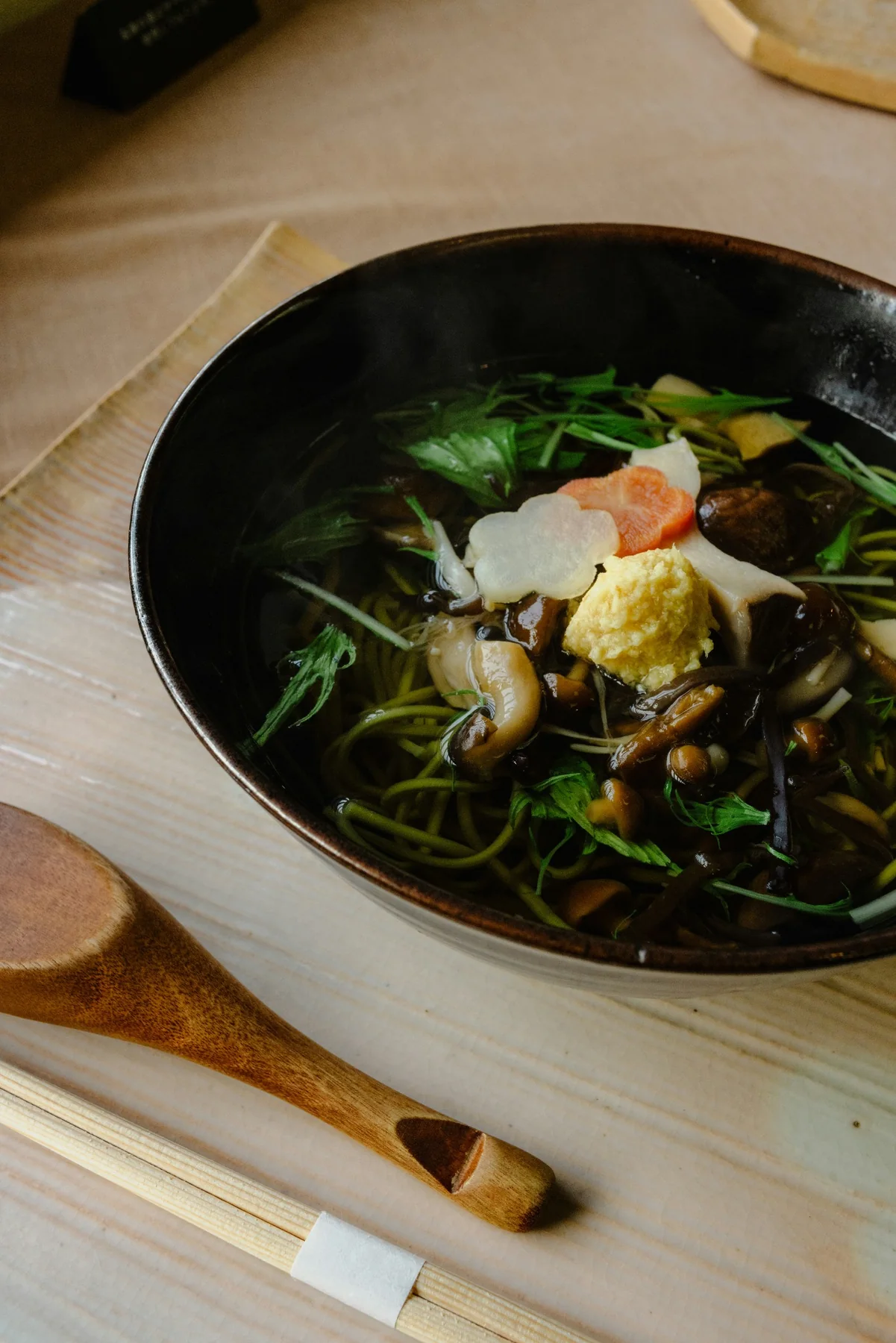 Jason Leung · Unsplash
Japanese Vegan Food
What plant-based eating actually looks like in daily life.
Recipes
Approachable plant-based cooking for international kitchens.
Jpatokal · CC BY-SA 4.0Food & Culture
Fermentation, seasons, customs and ordinary food traditions.

Japan Meets the World
What changes when Japanese food is cooked and understood abroad.
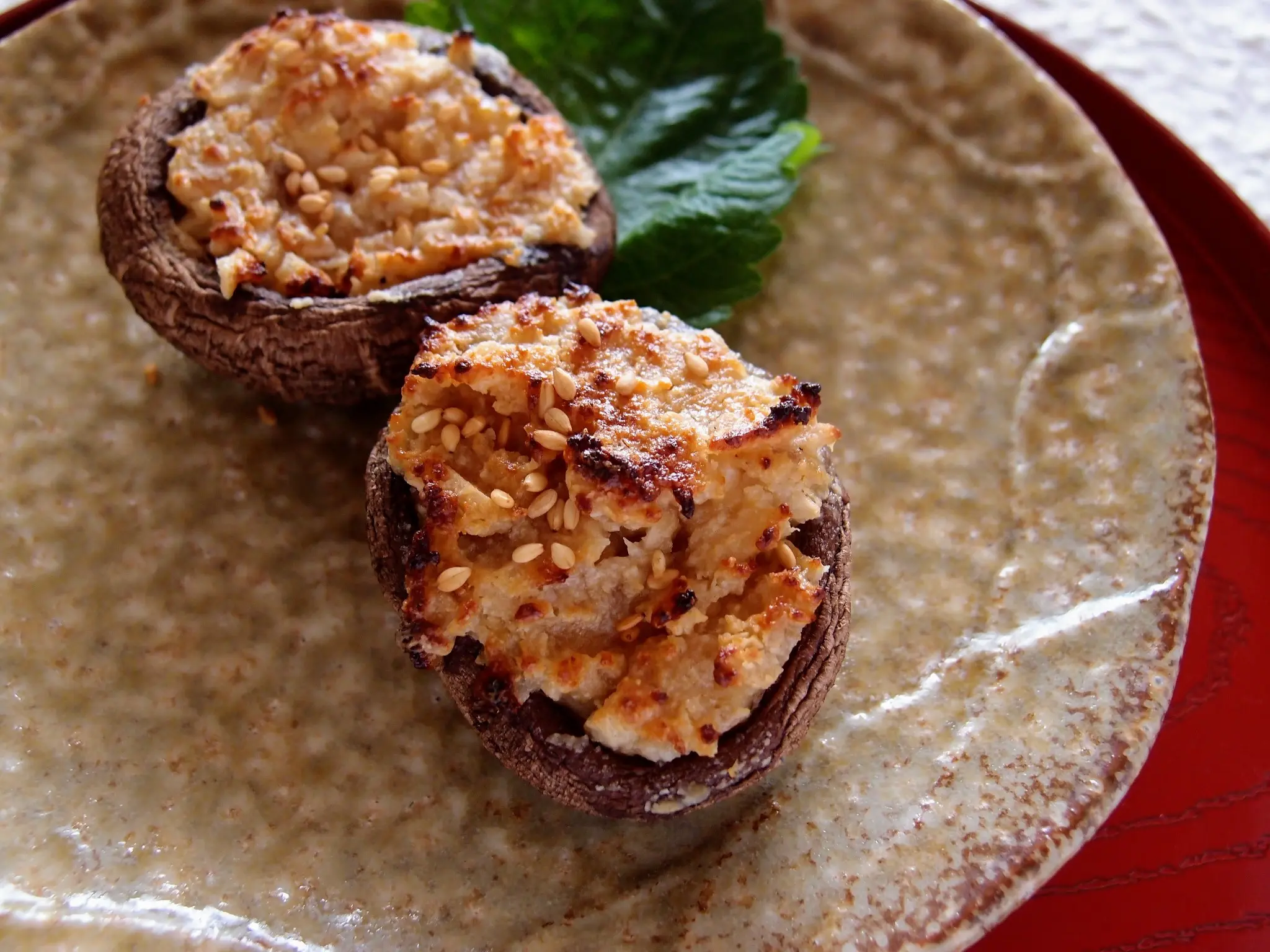
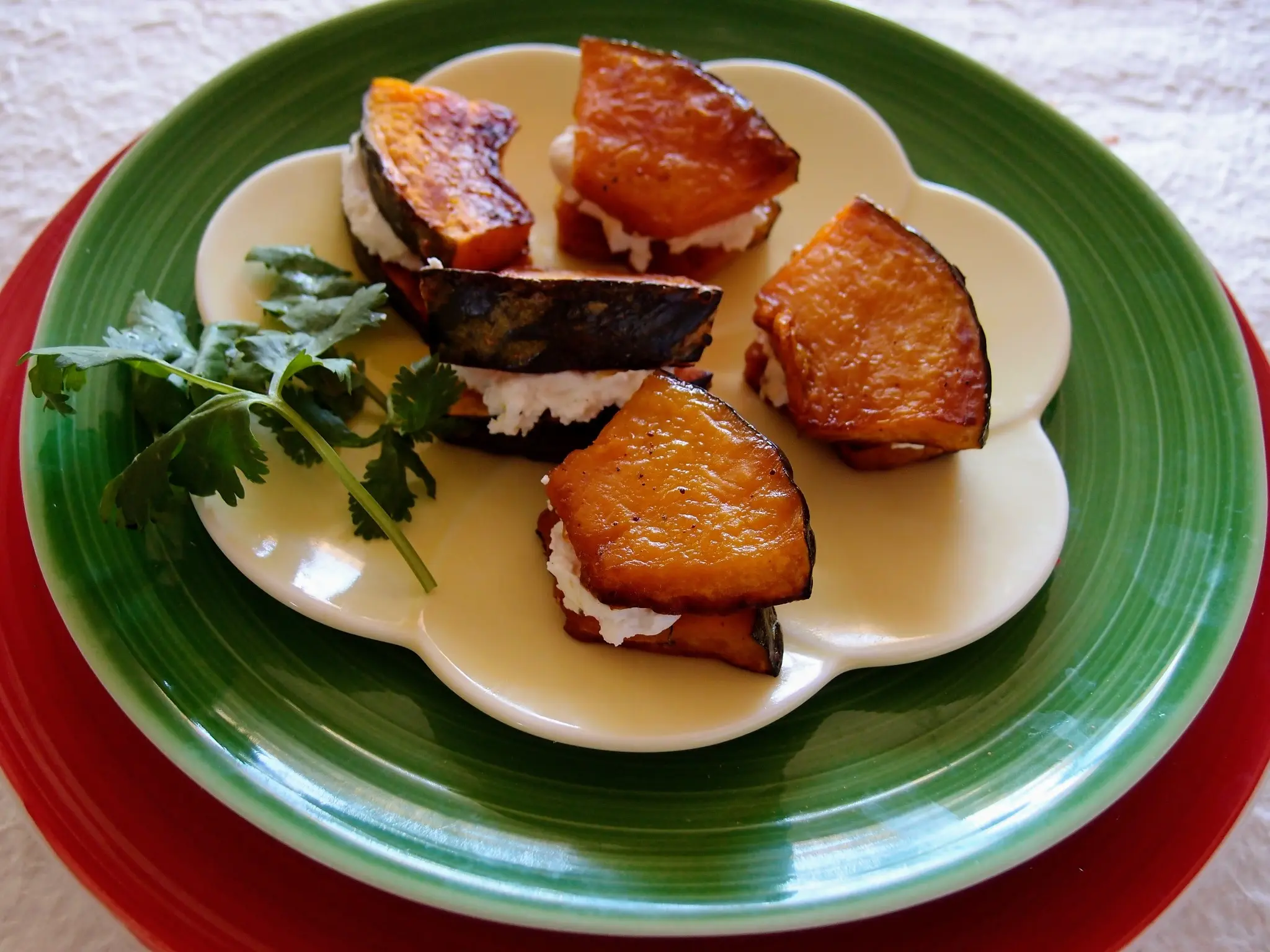

This site did not begin from zero.
Before The Japanese Vegan Table, its editor documented vegetarian and vegan cooking on the Japanese-language site sugima.com. That earlier work left a substantial archive of original recipes and food photography.
Here, those ideas are not simply copied. They are reworked for an international reader: how a dish fits into Japanese food culture, what may be unfamiliar outside Japan, what can be substituted, and where ingredients can realistically be found.
“What feels obvious in a Japanese kitchen can be the exact thing an overseas reader needs explained.”
Start with the pantry.
The ingredients that make plant-based Japanese cooking taste unmistakably Japanese.