Latest pantry guide
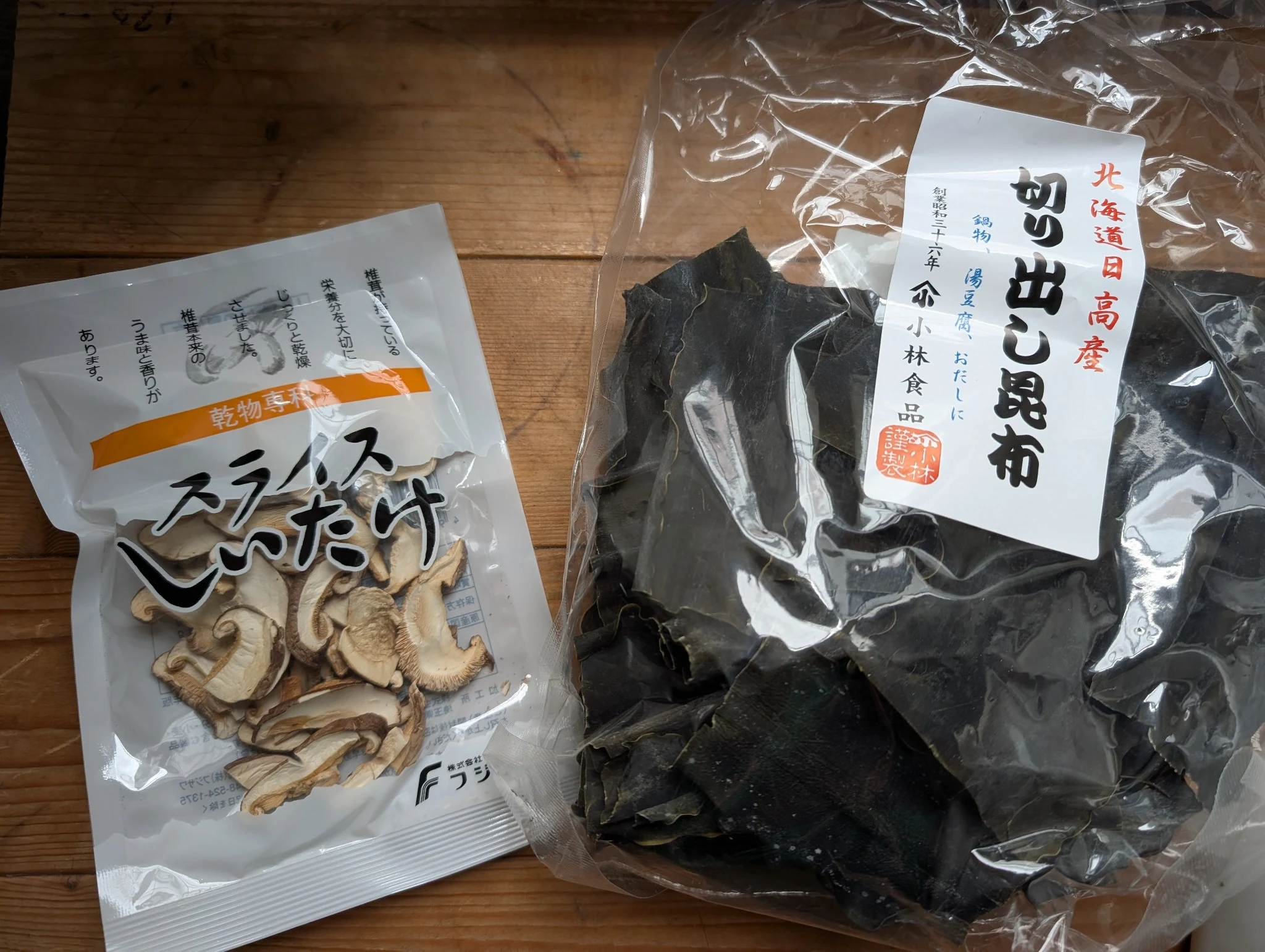
What Is Kombu? How to Choose It for Vegan Dashi
Choose plain dried kombu for vegan dashi with a quick guide to Japanese labels, common kelp varieties, cooking uses, and US shopping.
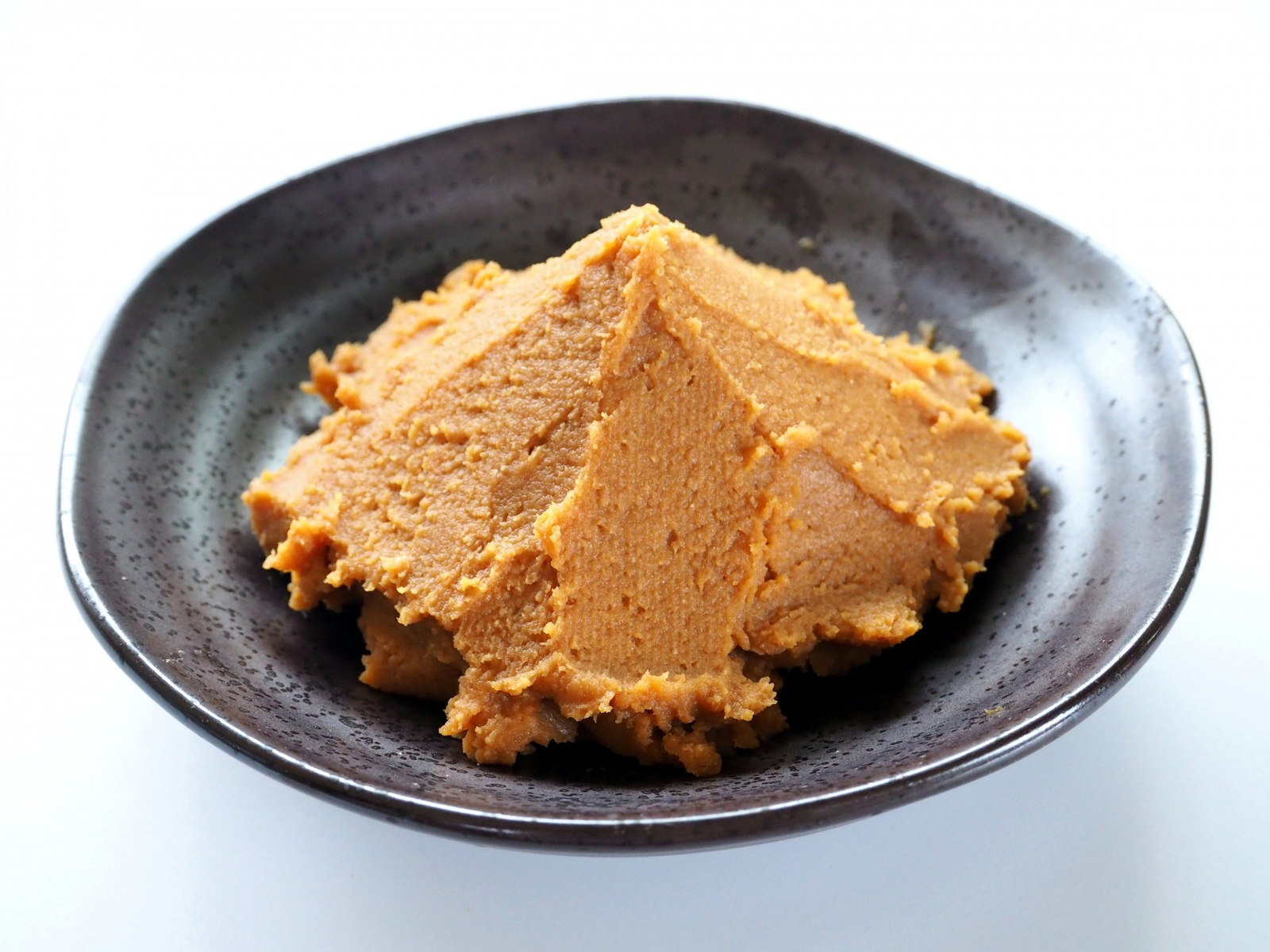
Is Miso Vegan? How to Read Japanese Miso Labels
Plain miso is usually vegan, but some seasoned miso contains fish-based dashi. Learn the Japanese label terms and three quick checks before buying.
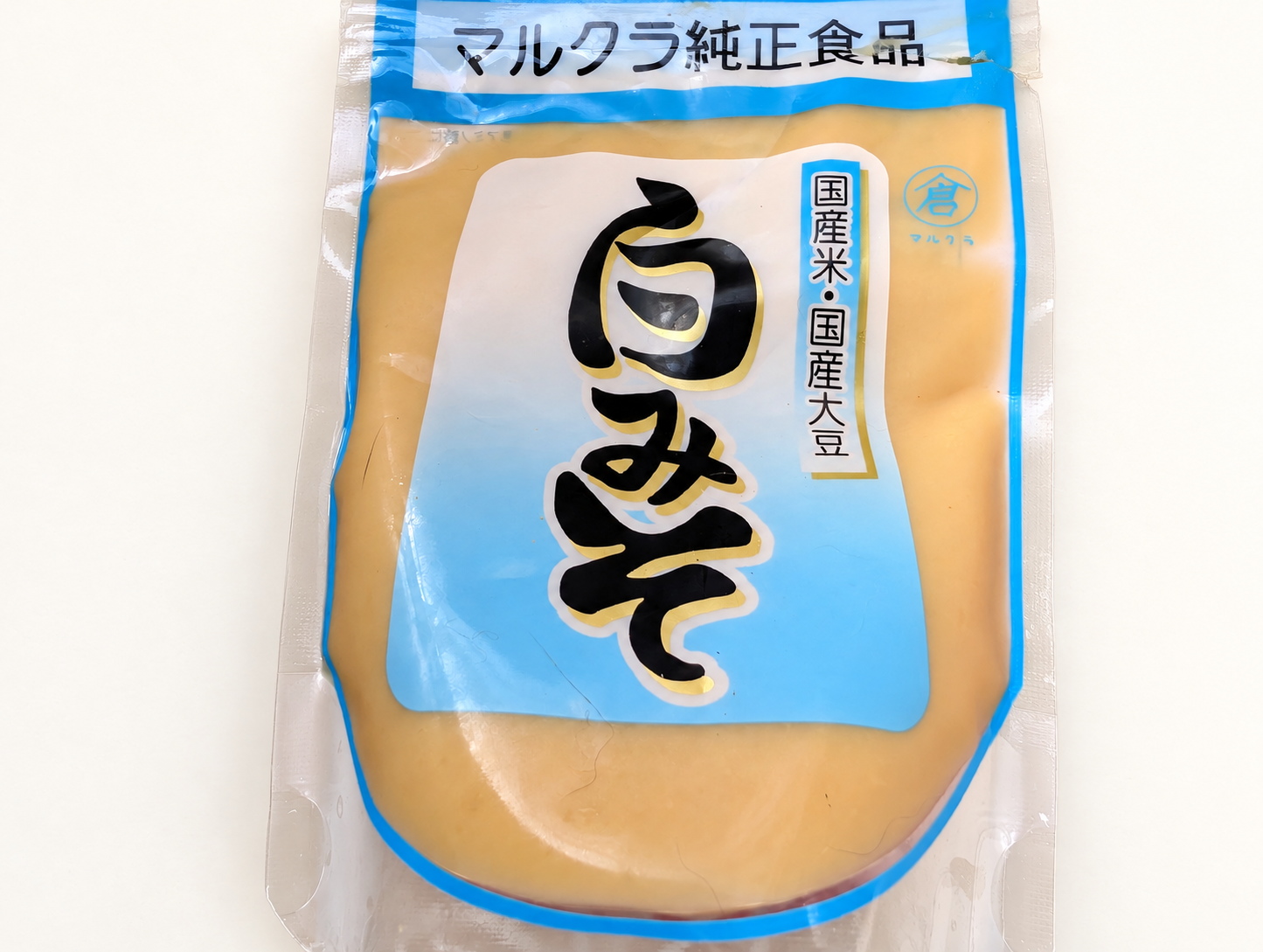
Is Miso Soup Vegan? How to Spot Fish-Based Dashi
Miso soup can be vegan, but the broth and seasonings matter. Learn what to check in restaurants, miso paste, and instant soup packets.
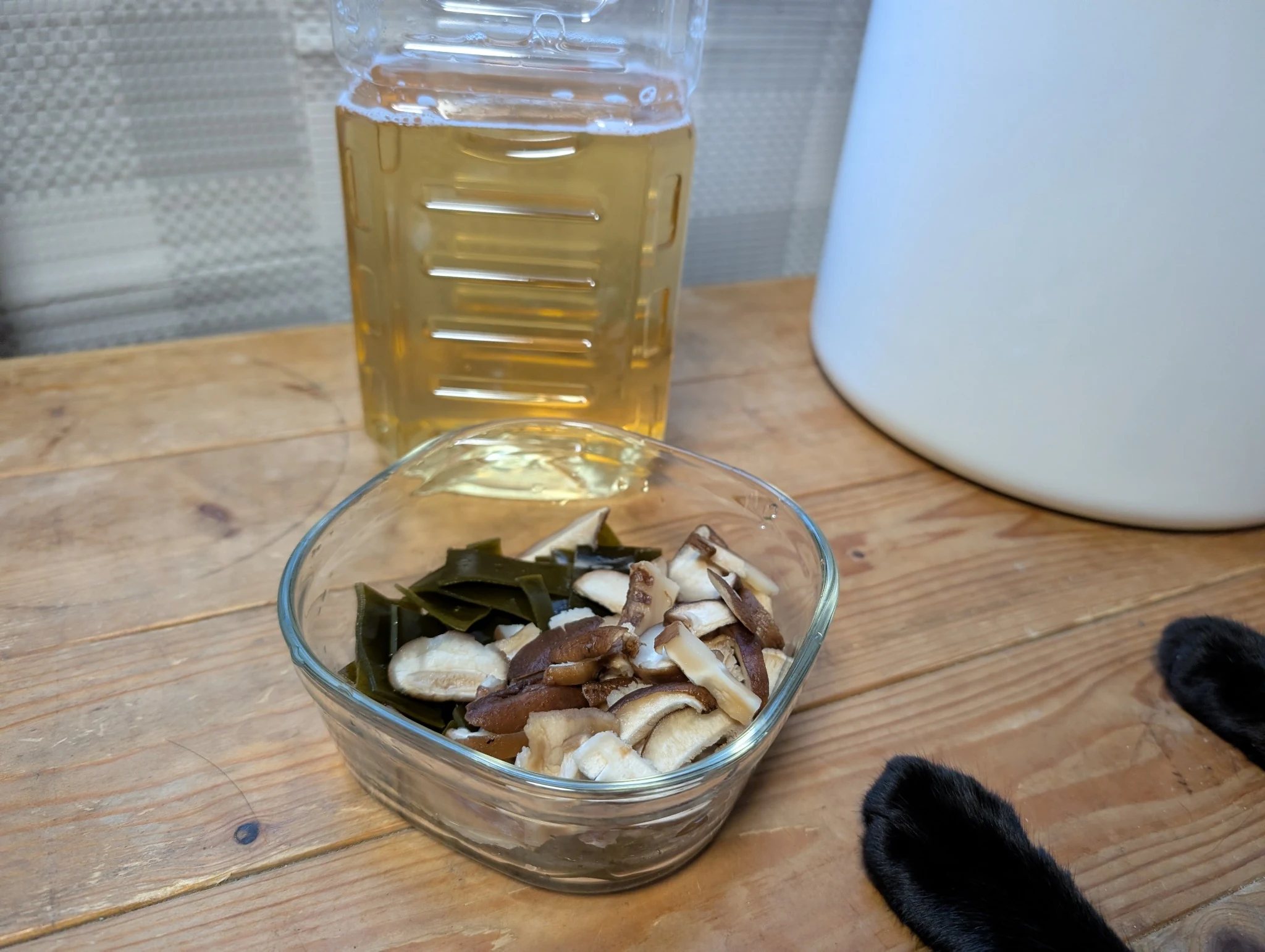
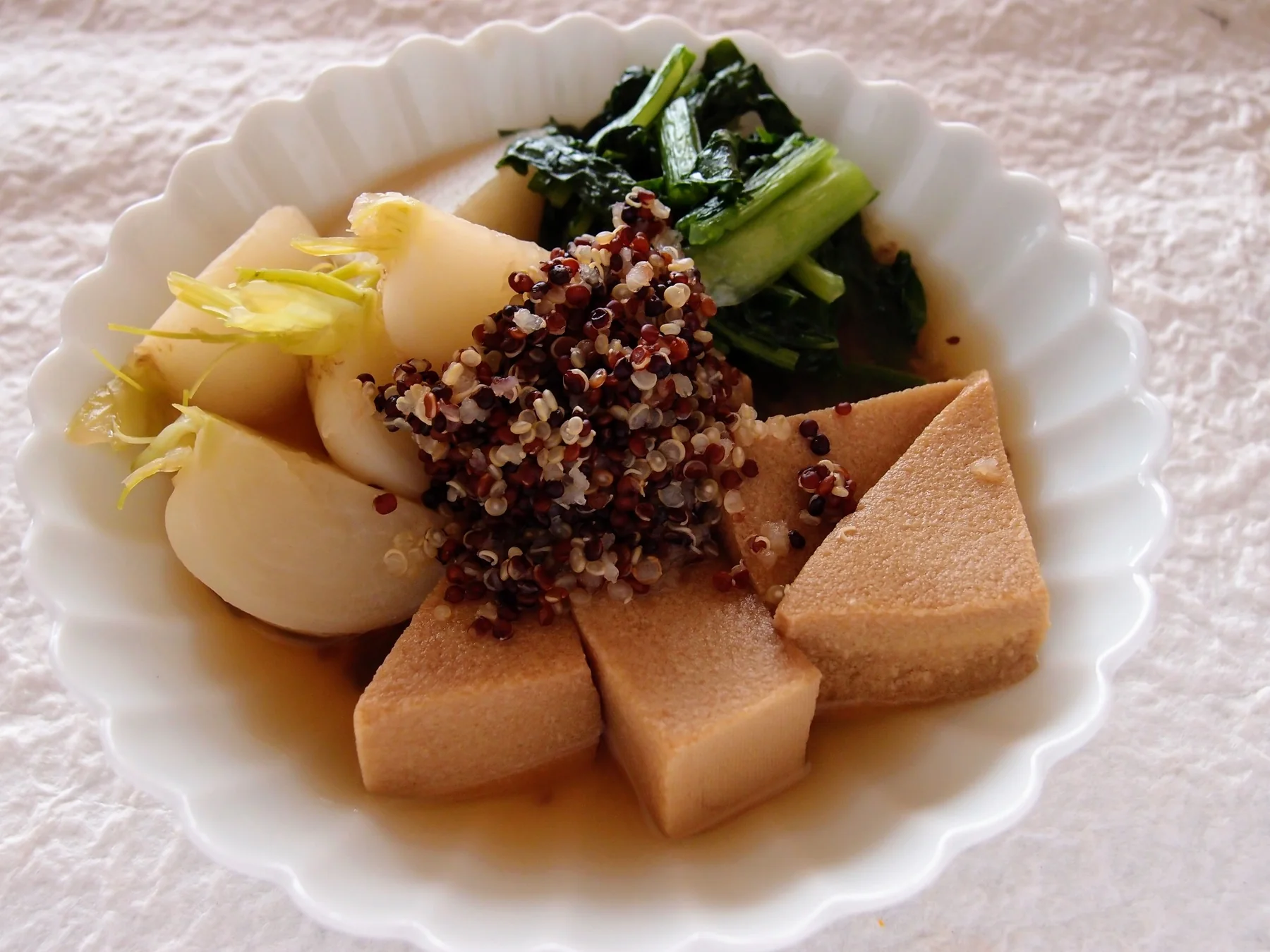
Vegan Dashi Recipe with Kombu and Dried Shiitake
Make cold-brew vegan dashi with kombu and dried shiitake, then reuse the softened ingredients in tsukudani, miso soup, or stir-fries.
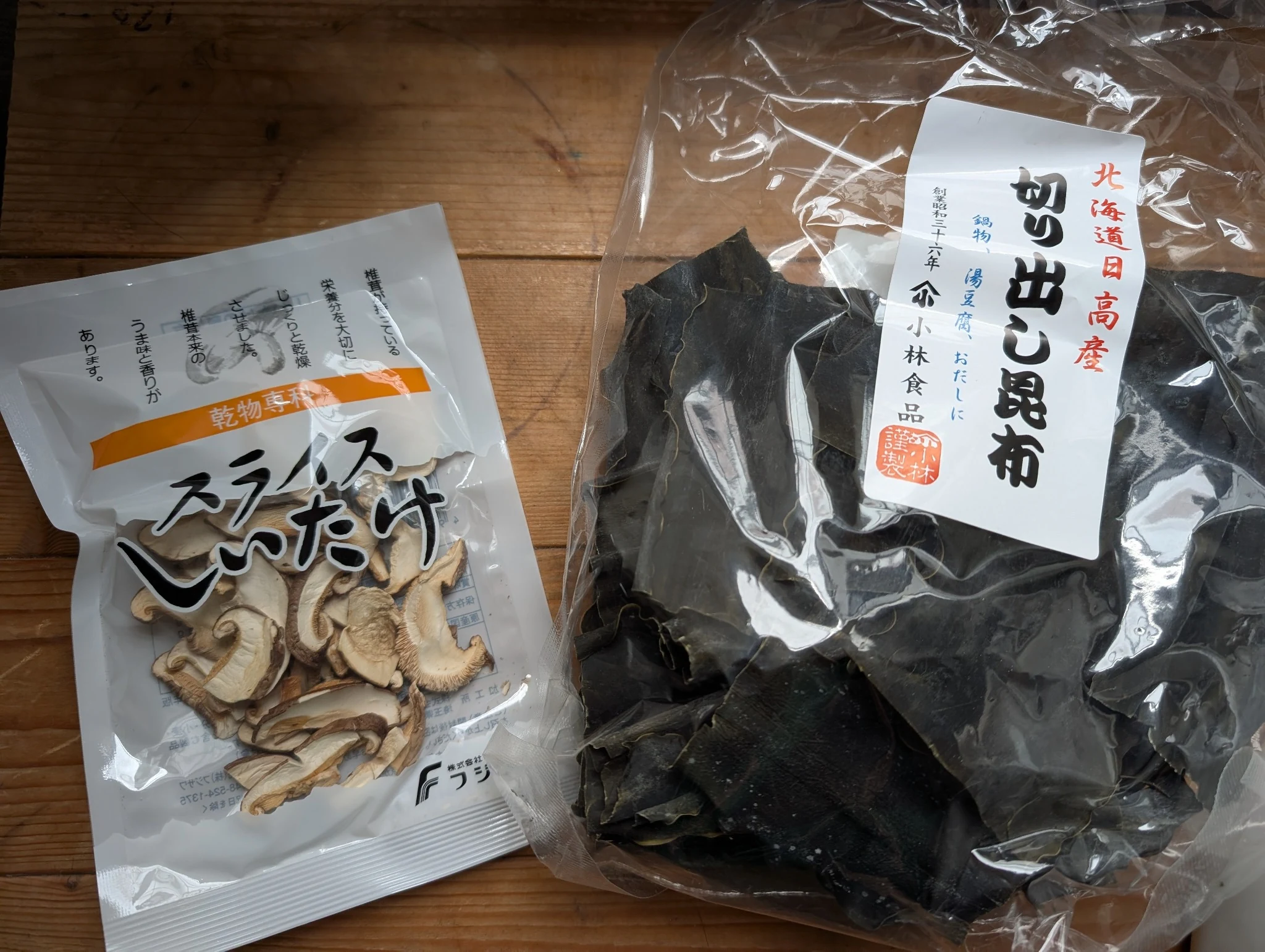
Is Dashi Vegan? How to Check Japanese Dashi for Fish Ingredients
Dashi can be vegan or fish-based. Learn how to check Japanese dashi ingredients and identify plant-based kombu, shiitake, and soybean stock.
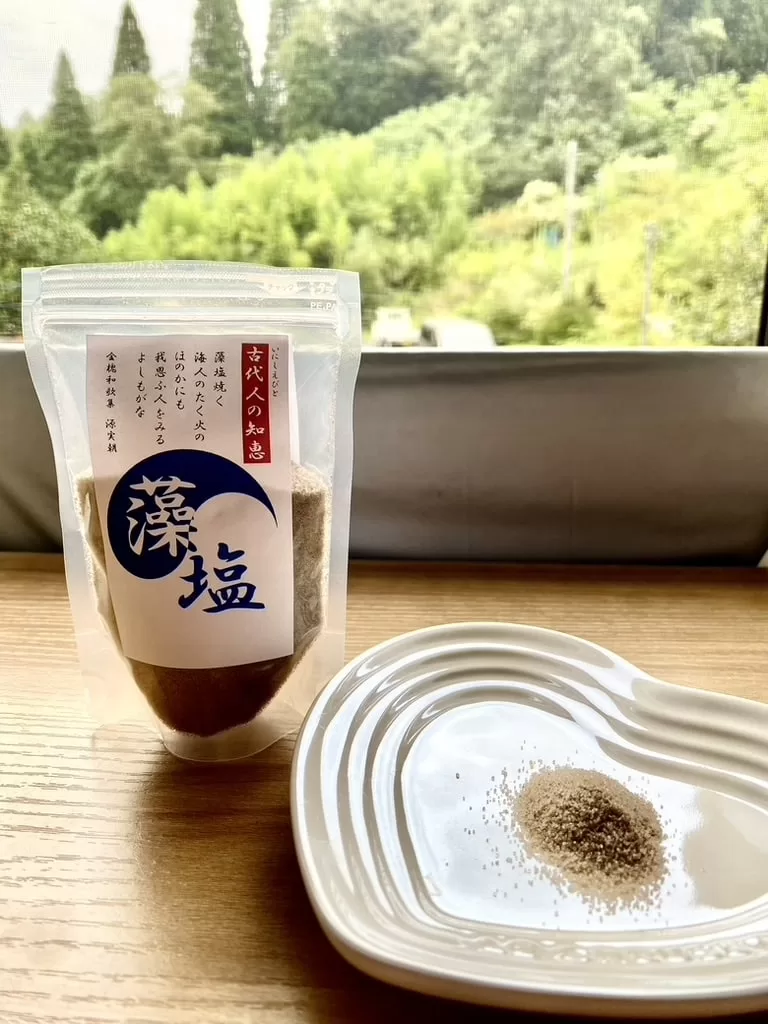
How to Use Moshio: Japanese Seaweed Salt for Rice, Onigiri and Everyday Cooking
Put Japanese seaweed salt to everyday use with rice, onigiri, vegetables, tofu, and soups. Start small, adjust to taste, and learn when regular salt is enough.
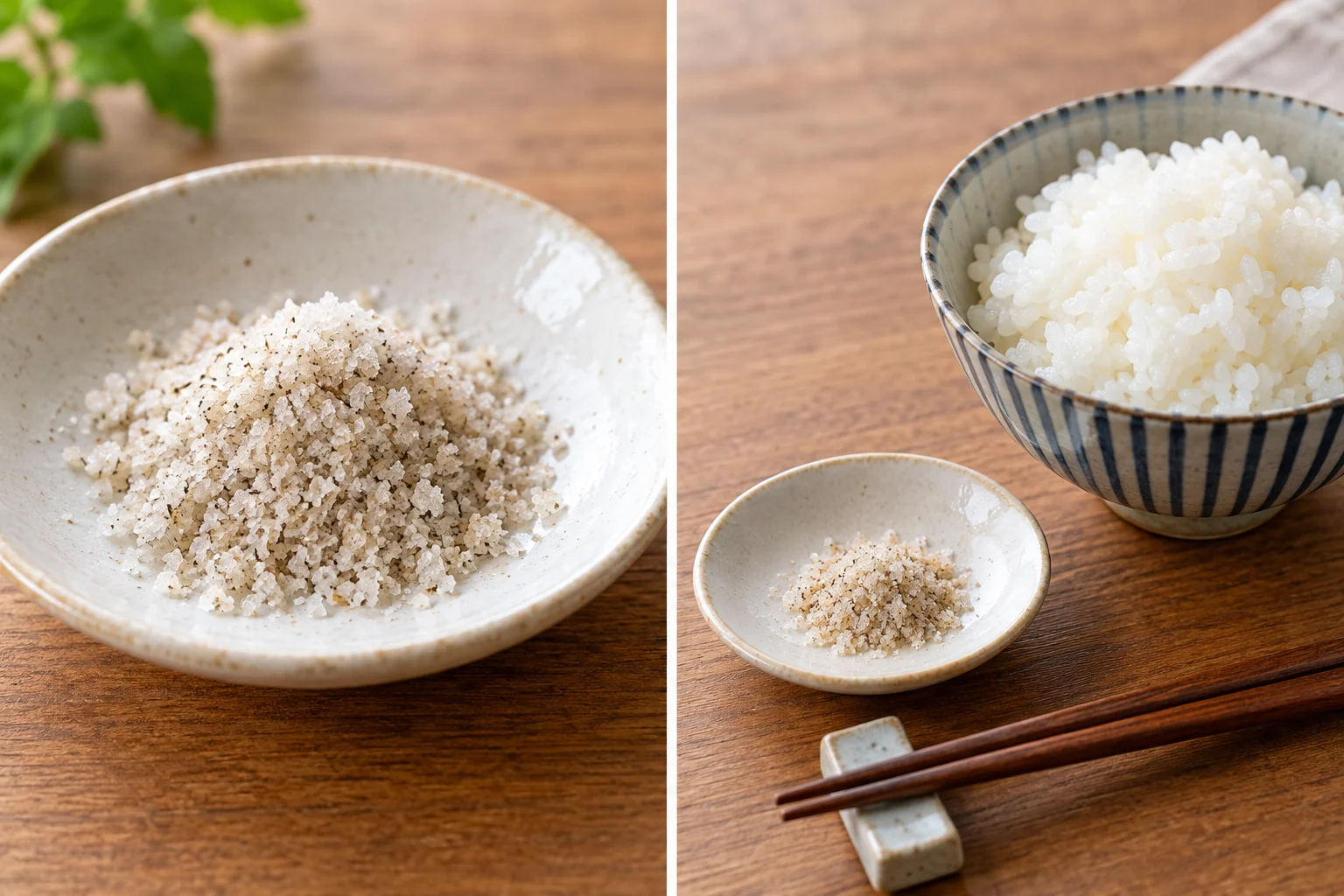
What Is Moshio Salt? Japanese Seaweed Salt Explained
Moshio is a Japanese seaweed salt made with seawater and seaweed. Learn how it differs from regular sea salt, how it’s made, and how to use it.
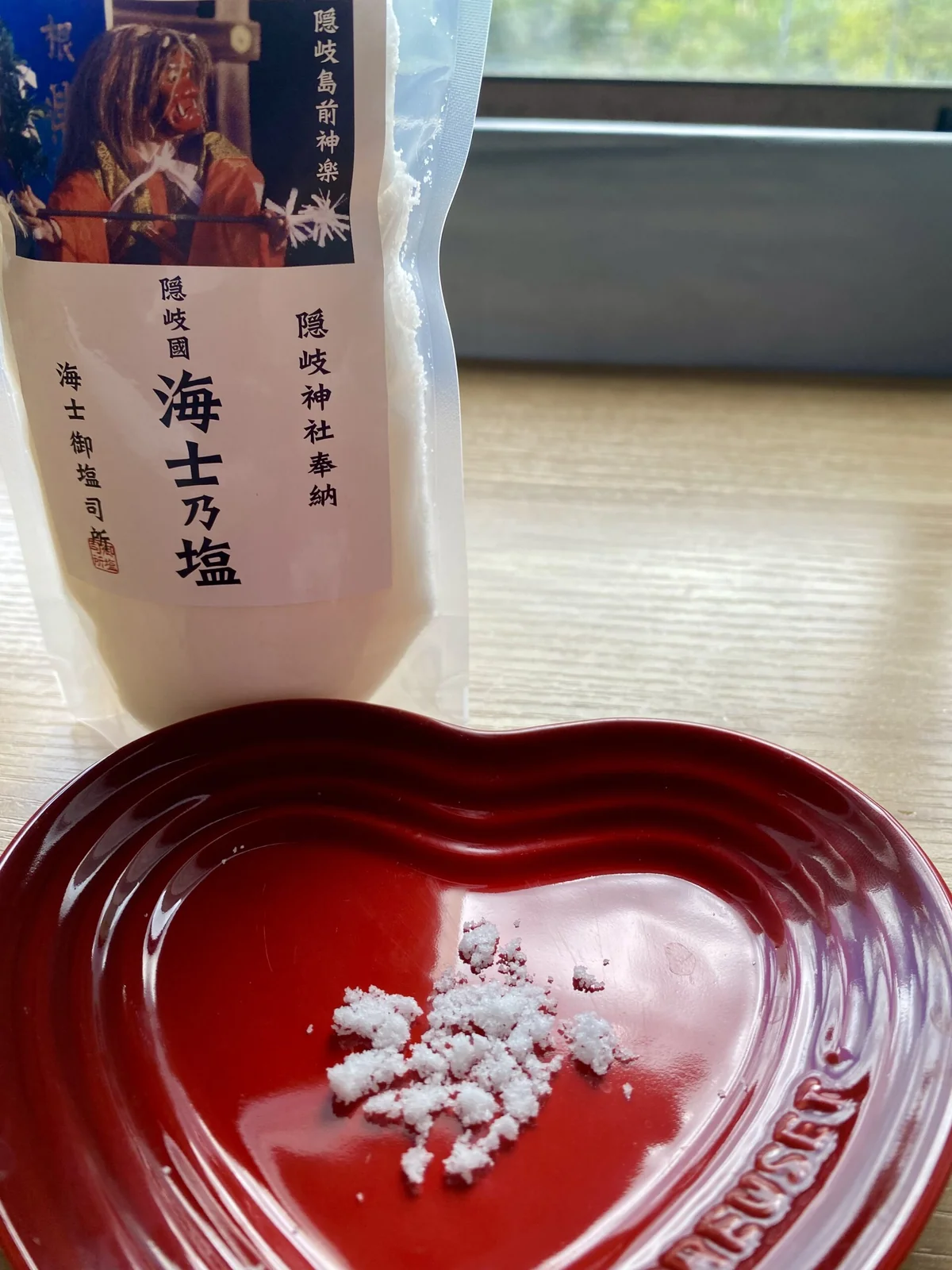
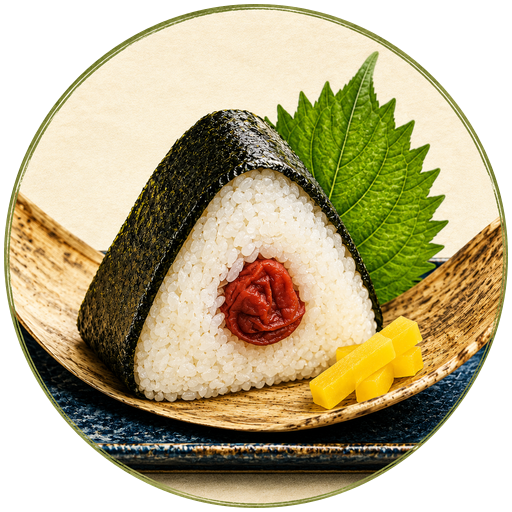
Best Salt for Onigiri: What to Look for in Japanese Sea Salt
Fine grains, balanced saltiness, and the way a salt works with warm rice matter more than an expensive label. Here is how I choose salt for Japanese onigiri.
What you will find here
Each guide explains how an ingredient is used in Japan, how vegan status can vary, and what readers in the United States and elsewhere can realistically buy.
Our approach
Articles in this section are written for readers who may not have grown up with Japanese ingredients. Alongside the cultural background, we explain practical details: what something tastes like, how it is normally used, what labels may be confusing, and what makes sense to buy outside Japan.
Built as a cluster, not a pile of posts
This category will grow through connected guides. Broad parent articles will link to focused ingredient, recipe and culture pages so readers can move naturally from “what is this?” to “how do I use it?”