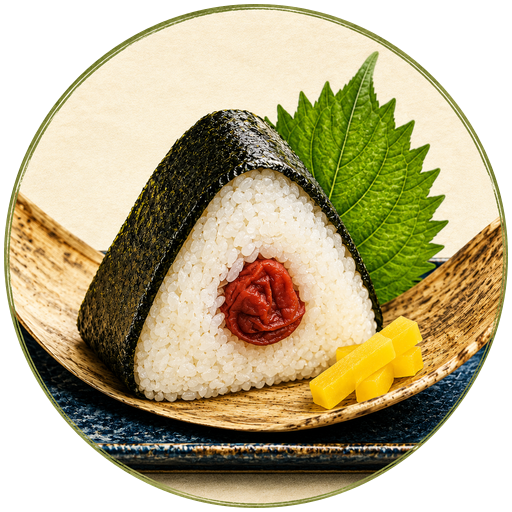
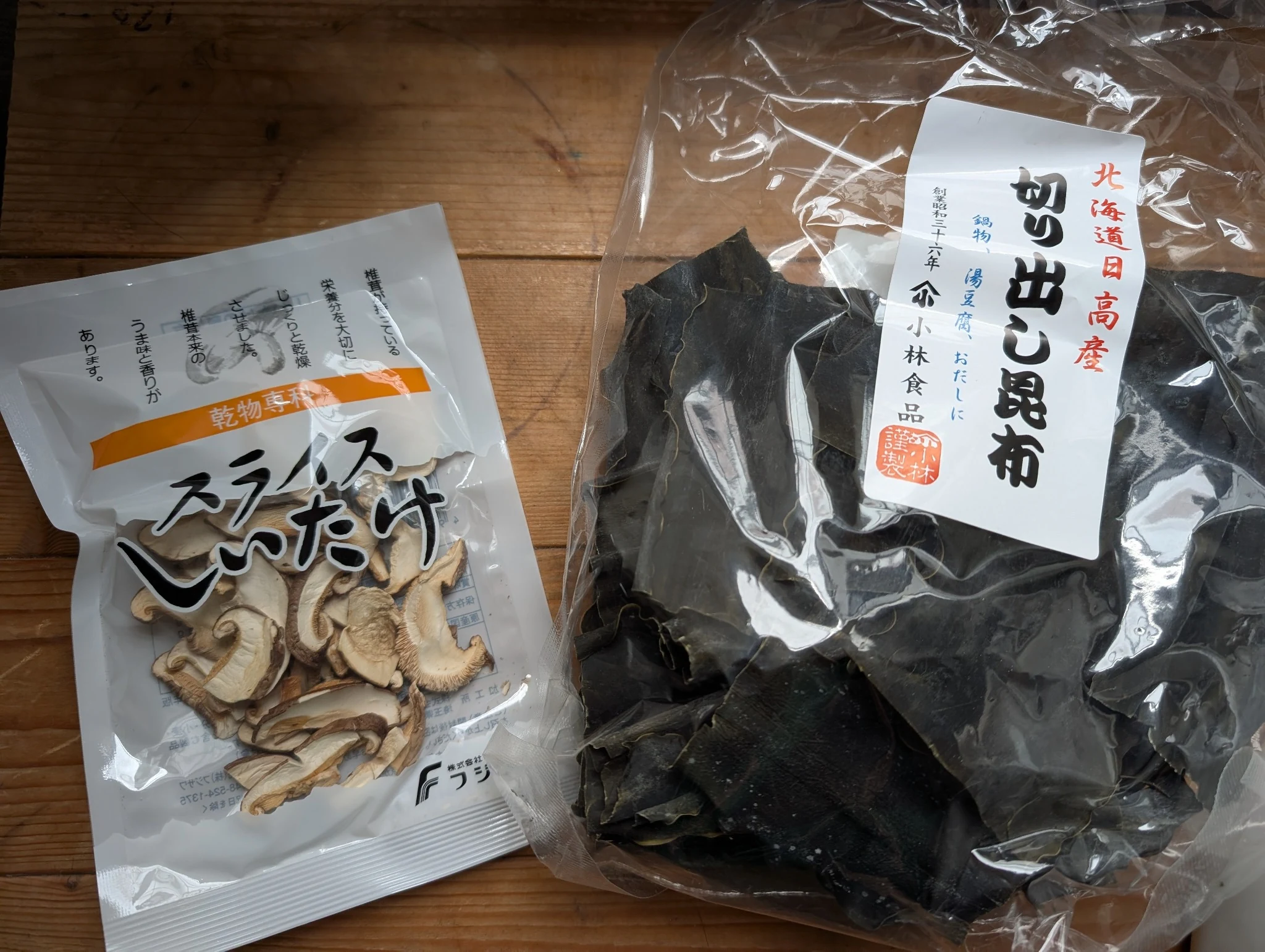
Dashi can be vegan, but the word dashi alone doesn't tell you much about what's in it. Some dashi is made with kombu, dried shiitake mushrooms, soybeans, or other plant ingredients. Some is made with katsuobushi—dried bonito—or niboshi, small dried fish. Quite a few Japanese seasonings already have fish-based dashi mixed in, too.
So the real question isn't, “Is there dashi in this?” It's “What's the dashi made from?” That's the question I check when I'm reading a package in Japan.
Which Dashi Is Vegan?
Here's a quick way to sort out the most common types.
| Dashi | Vegan? | What to Check |
|---|---|---|
| Kombu dashi | Yes, when made only with plant ingredients | Kombu and water |
| Shiitake dashi | Yes | Dried shiitake and water |
| Kombu-shiitake dashi | Yes | Kombu and dried shiitake |
| Soybean dashi | Yes, when made only from soybeans and water | Roasted or dried soybeans |
| Katsuo dashi | No | Katsuobushi / bonito |
| Awase dashi | Often not | Many versions combine kombu with katsuobushi |
| Niboshi / iriko dashi | No | Dried small fish |
| Instant dashi | It depends | Read the full ingredient list |
Japan's Ministry of Agriculture, Forestry and Fisheries (MAFF) describes kombu, katsuobushi, dried fish, and dried shiitake as ingredients used for dashi. That's why the word dashi by itself isn't enough to tell you whether a dish is vegan.
Fish-Based Dashi You'll See in Japan
Katsuobushi (かつお節 / 鰹節) is dried bonito. If a stock contains katsuobushi, it isn't vegan.
Niboshi (煮干し) and iriko (いりこ) are dried small fish, so those aren't vegan either.
There are several other fish ingredients worth recognizing on Japanese labels.
| Japanese | Reading | Meaning |
|---|---|---|
| かつお節 / 鰹節 | katsuobushi | dried bonito |
| かつおエキス | katsuo ekisu | bonito extract |
| 煮干し | niboshi | dried small fish |
| いりこ | iriko | dried small fish |
| さば節 | saba-bushi | dried mackerel |
| 宗田節 / 宗田かつお節 | soda-bushi | dried soda-katsuo |
| あご / とびうお | ago / tobiuo | flying fish |
| 魚介エキス | gyokai ekisu | fish or seafood extract |
| 魚醤 | gyosho | fish sauce |
These aren't unusual specialty ingredients. Japanese dashi seasonings may use bonito, mackerel, sardine, tuna, flying fish, and other seafood.
Plant-Based Dashi
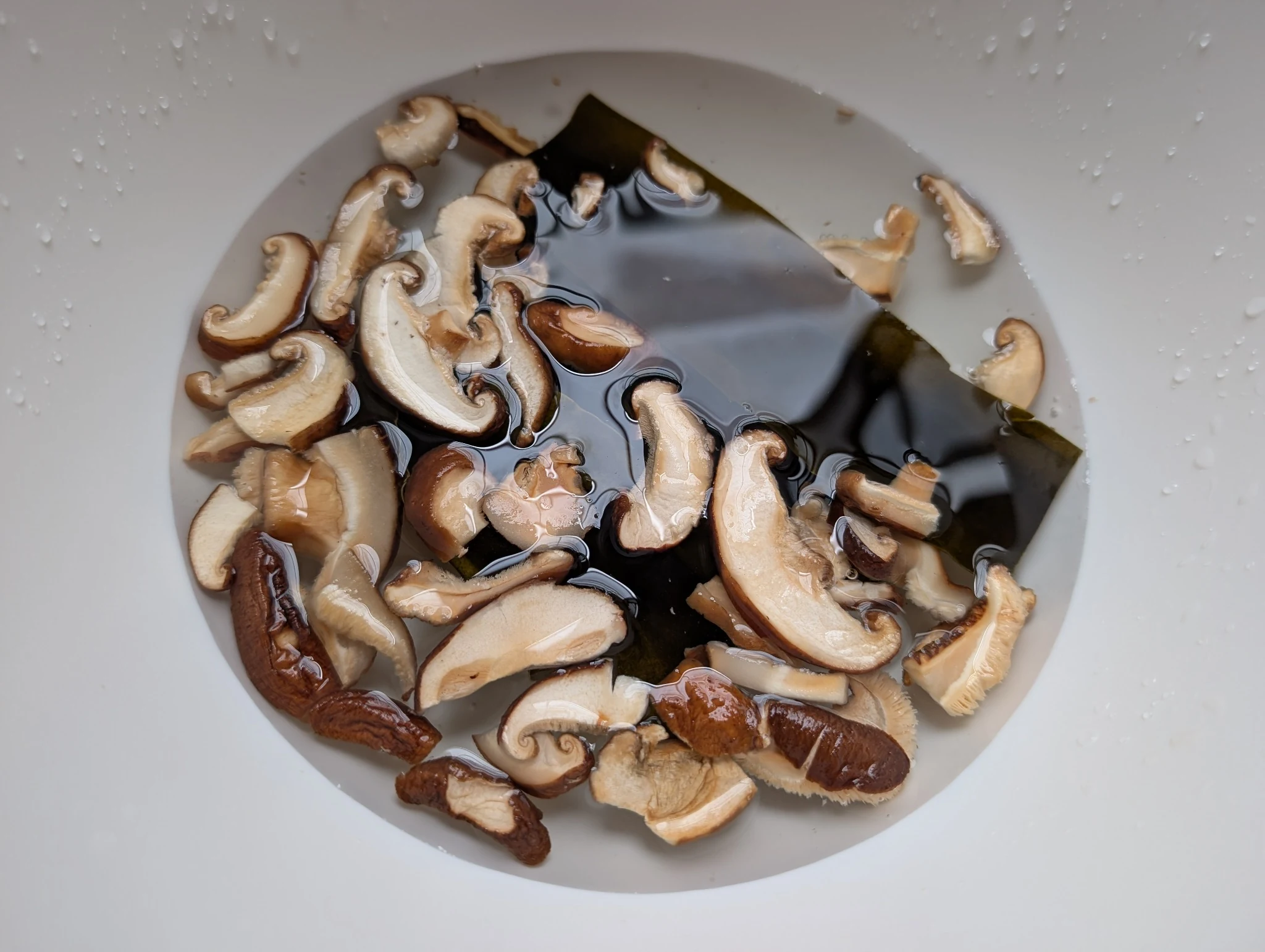
Kombu dashi is the easiest type to recognize. If it's simply kombu and water, it's plant-based. Dried shiitake can also be used for stock, either alone or together with kombu. That's the combination I use in my vegan dashi recipe with kombu and dried shiitake.
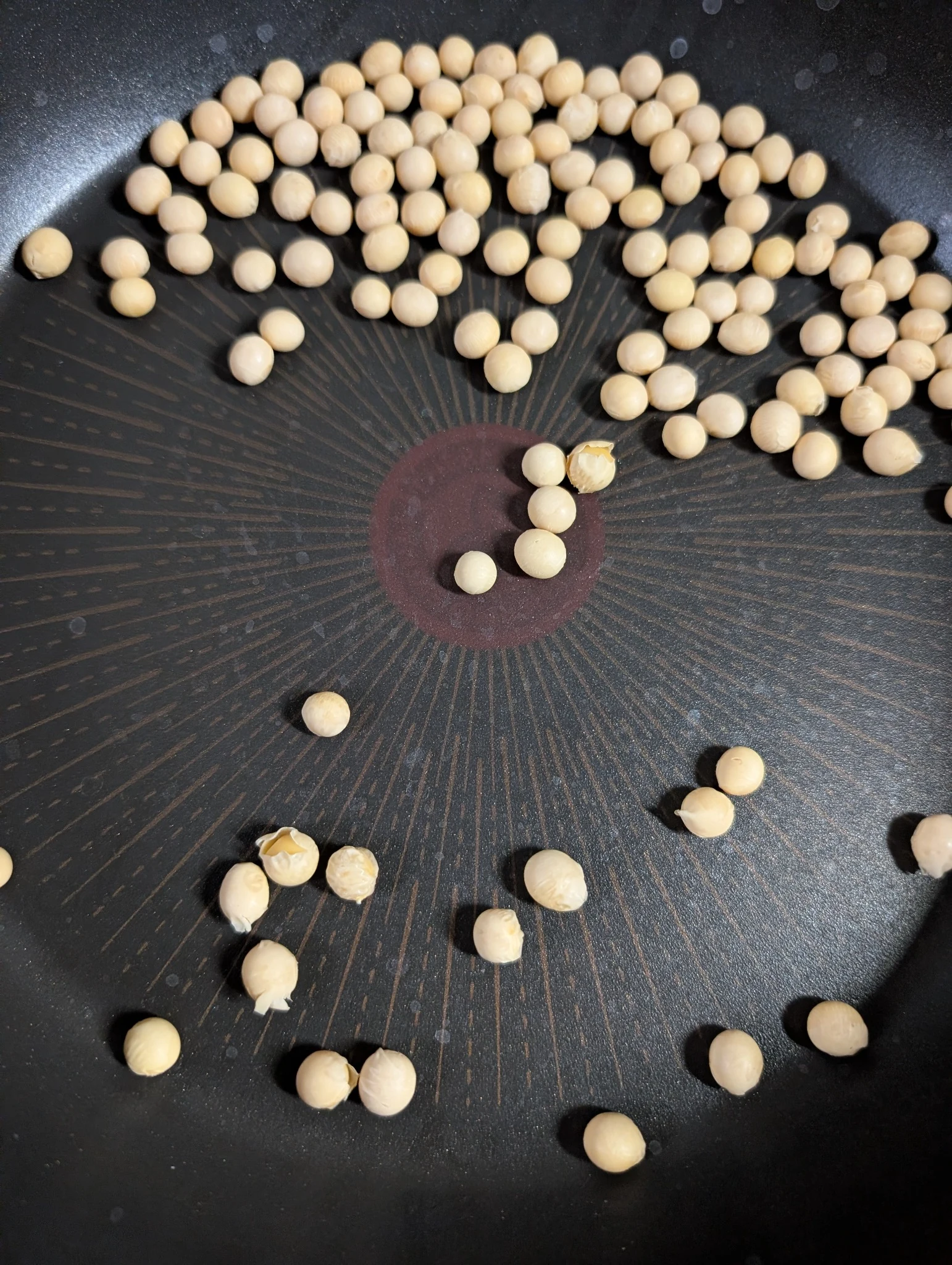
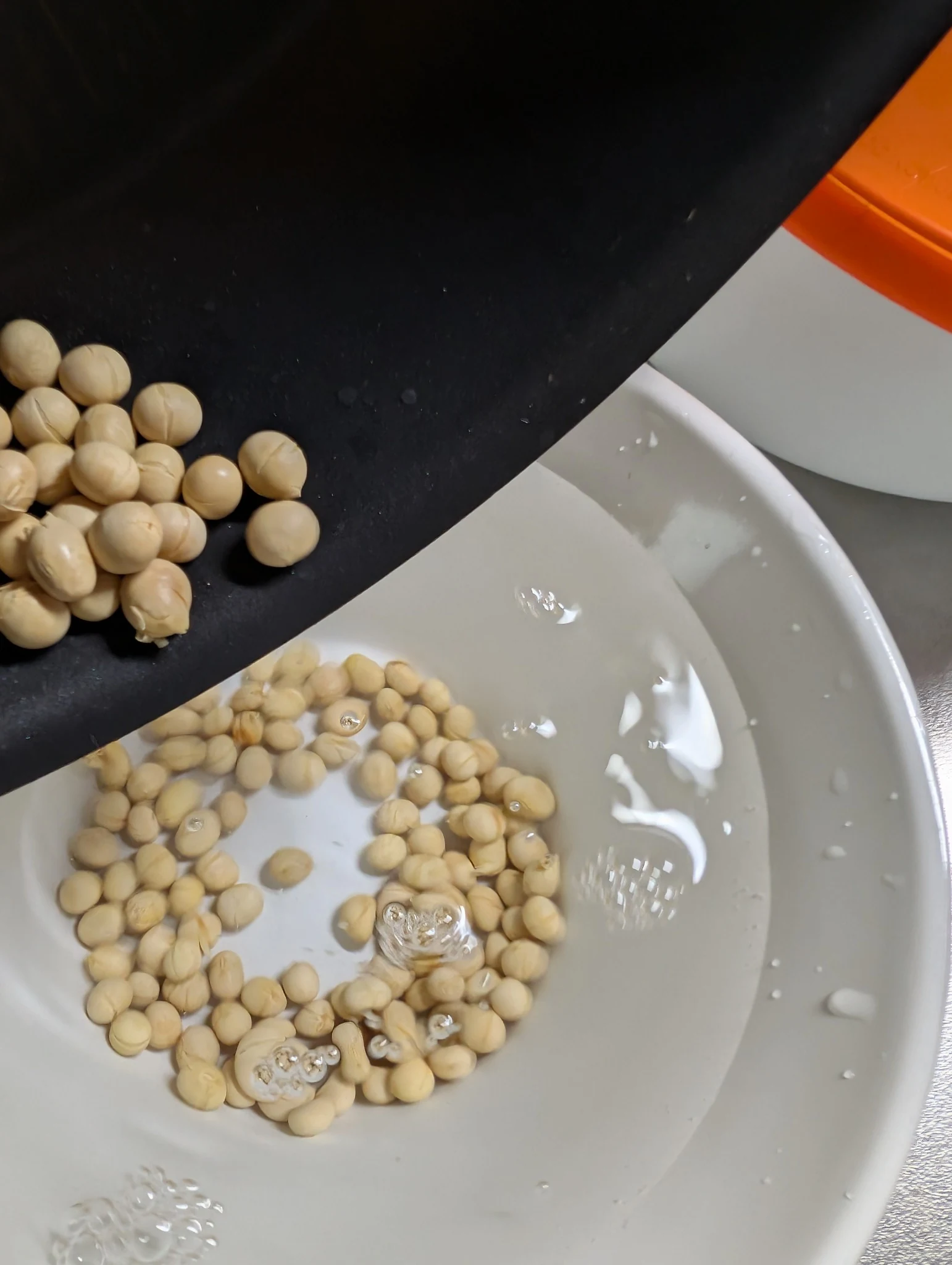
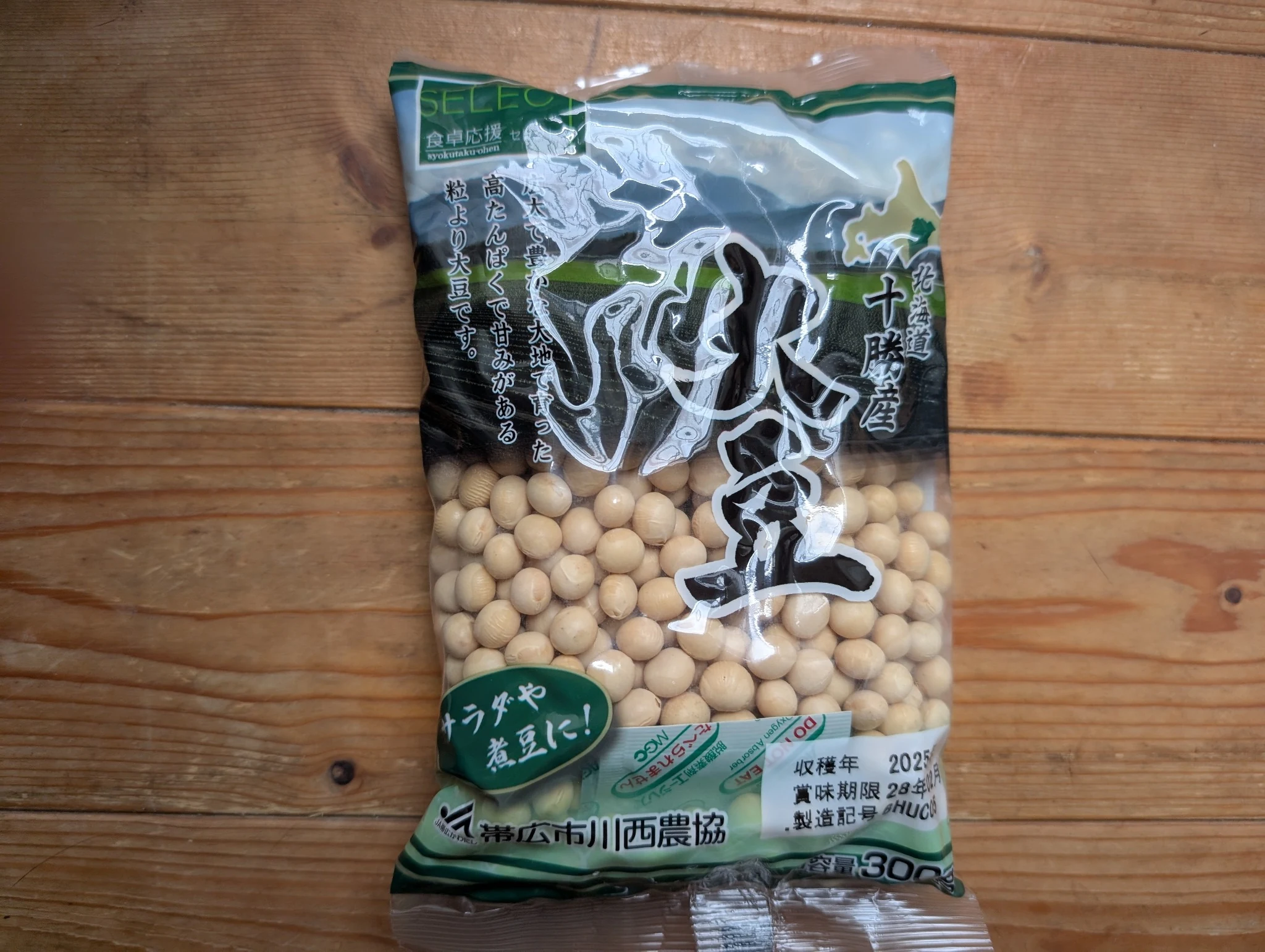
Soybeans are another option. Shojin cooking materials published by the Umami Information Center include a soybean dashi made by roasting dried soybeans and steeping them in hot water. I use Hokkaido soybeans when I make it at home. Roasting them gives the stock a different aroma from kombu-shiitake dashi—warmer and nuttier.
There's no need to turn all of these into one generic “vegan dashi.” They're different stocks, and they taste different.
Dashi Can Be Hiding in Everyday Seasonings
This is where shopping in Japan gets trickier. You can pick up a bottle that looks like soy sauce or a tub of miso without immediately thinking about fish. The dashi may already be mixed in.
Mentsuyu
Mentsuyu (めんつゆ) is concentrated seasoning used for noodles and many other dishes.
Many products contain fish-based stock. Current Japanese products may list katsuobushi, soda-katsuo, mackerel, sardine, tuna, or other seafood ingredients.
Shiro Dashi
Shiro dashi (白だし) is a light-colored concentrated seasoning used in soups, simmered dishes, chawanmushi, and other Japanese cooking.
Don't assume that the pale color means it's plant-based. Current products can contain several kinds of dried fish or seafood extract along with kombu.
Dashi Shoyu
Dashi shoyu (だししょうゆ) isn't the same thing as plain soy sauce.
Some current products contain bonito or other dried fish. If you want ordinary soy sauce, check that you're buying shoyu rather than a dashi-seasoned version.
Dashi-Iri Miso
Dashi-iri miso (だし入り味噌) means the dashi has already been mixed into the miso.
Some current Japanese dashi-iri miso products list bonito extract or bonito powder. A tub of miso can therefore contain fish even though plain miso itself may be plant-based.
Wafu Dashi Powder and Fumi Chomiryo
You'll also see products labeled 和風だしの素 (wafu dashi no moto) or 風味調味料 (fumi chomiryo). Read the ingredients instead of relying on the front of the package. For example, standard Hondashi currently lists katsuobushi powder and bonito extract. It also lists lactose.
Ponzu
Ponzu (ぽん酢) varies a lot by product.
Don't assume every ponzu contains fish, and don't assume every ponzu is vegan. Some current ingredient lists use kombu and shiitake without fish ingredients, so check each product rather than treating ponzu as a single fixed recipe.
Check the label on the package you're buying. Manufacturers may change their formulations. For me, that's more useful than memorizing a permanent list of “safe” Japanese condiments. Products change.
Why a Vegetable Dish Can Still Contain Fish
A bowl of simmered daikon, mushrooms, tofu, or greens may look completely plant-based. That doesn't tell you what the vegetables were cooked in. The same goes for miso soup, udon broth, soba dipping sauce, chilled tofu toppings, and many prepared side dishes.
Dashi is often in the background. You usually won't see a piece of fish sitting on the plate. That's why I check the broth and seasonings separately from the visible ingredients.
What I Would Ask at a Restaurant in Japan
I wouldn't rely only on:
昆布だしですか?
Kombu dashi desu ka?
“Is it kombu dashi?”
Kombu can also be part of awase dashi mixed with bonito. A clearer question is:
昆布だけのだしですか? かつお節や煮干しは入っていませんか?
Kombu dake no dashi desu ka? Katsuobushi ya niboshi wa haitte imasen ka?
“Is the dashi made only with kombu? Does it contain bonito flakes or dried fish?”
You can also ask:
だしに、かつお節や煮干しは使っていますか?
Dashi ni katsuobushi ya niboshi wa tsukatte imasu ka?
“Do you use bonito flakes or dried fish in the dashi?”
Asking about katsuobushi and niboshi by name is clearer than using only the broad word “fish.” If you need to avoid all animal ingredients, you'll still need to check the other seasonings in the dish.
What About Shojin Dashi?
Plant-based stock already has a place in Japanese shojin cooking. Soto Zen's cooking materials include a basic stock made by soaking kombu and dried shiitake in water. Shojin recipes also use other plant ingredients, including soybeans.
Fish isn't required to make Japanese dashi.
What to Remember
When you see dashi, check what made the stock. Kombu, dried shiitake, and soybeans can all be plant-based. Katsuobushi, niboshi, mackerel, flying fish, and fish extracts aren't. For packaged food, check the current ingredient label. At a restaurant, asking about katsuobushi and niboshi specifically is more useful than asking only whether the dish contains fish.
Sources
- Ministry of Agriculture, Forestry and Fisheries of Japan — The Washoku Way: Dashi Stock
- Soto Zen Buddhism — Shojin Dashi Preparation
- Umami Information Center — Shojin Cooking Recipes / Soybean-dashi
- Ajinomoto Co., Inc. — Hondashi Ingredients
- Kikkoman Corporation — Koi Dashi Hontsuyu Ingredients
- Kikkoman Corporation — Kaori Shiro Dashi Ingredients
- Kikkoman Corporation — Amaumai Dashi Shoyu Ingredients
- Kikkoman Corporation — Shiboritate Nama Ponzu Ingredients
- Marukome Co., Ltd. — Ryotei no Aji Dashi-Iri Miso Ingredients