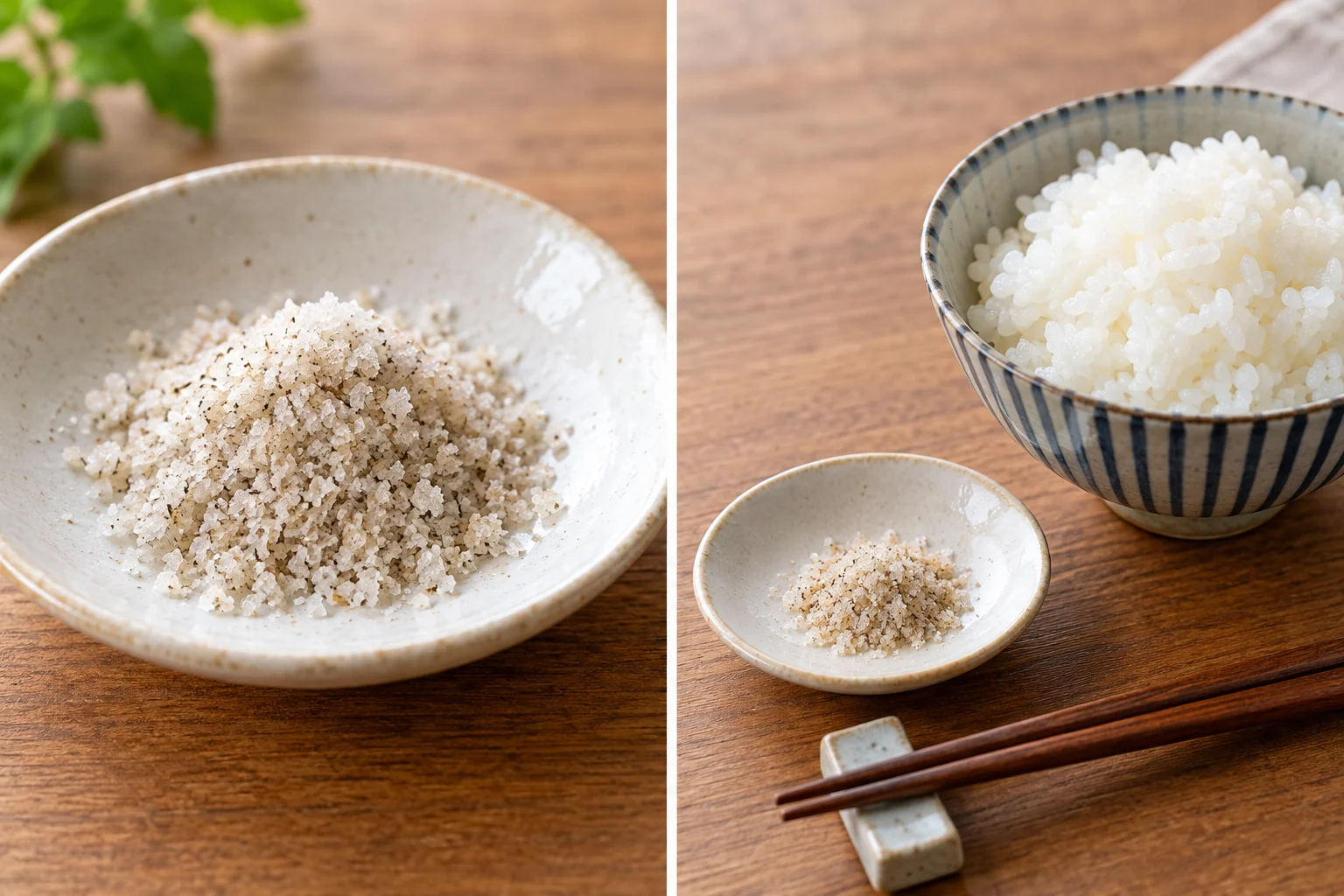
Moshio (藻塩) is a Japanese salt made with seawater and seaweed. Many varieties have a pale beige or slightly gray color rather than the bright white of refined table salt.
The word is often translated as “seaweed salt.” Modern producers use different methods, but seaweed is part of the salt-making process.
What Is Moshio?
The Japanese word moshio is written 藻塩.
Mo (藻) refers to seaweed, and shio (塩) means salt.
One well-known example is Amabito no Moshio from Hiroshima. Hiroshima City says it's made with seawater from the Seto Inland Sea and domestically harvested hondawara, a brown seaweed, then slowly simmered in kettles.
Why Is Moshio Beige?
Seaweed affects the appearance of the finished salt.
Depending on the ingredients and production method, moshio may be pale beige, light brown, or slightly gray instead of pure white.
If you're used to refined table salt, the color can be the first noticeable difference when you open the package.
How Is Moshio Made?
There isn't one production method used by every maker.
Amabito no Moshio is made by slowly simmering Seto Inland Sea water with hondawara.
On Awaji Island, the process is different. Seawater is filtered and concentrated, then heated until crystals begin to form. Seaweed is soaked in the concentrated seawater before the liquid is boiled down further and the moshio is separated and finished.
Those production choices can affect moisture, crystal size, color, and flavor.
What Does Moshio Taste Like?
Moshio is often described as having a gentler saltiness and a savory character.
Amabito no Moshio, for example, is described by Hiroshima City as mild and savory. Some moshio has a noticeable seaweed character; others are much subtler.
Moshio vs. Regular Sea Salt
The main difference is the use of seaweed during production.
| Regular sea salt | Moshio | |
|---|---|---|
| Main source | Seawater | Seawater + seaweed |
| Color | Often white | Often beige or light brown |
| Flavor | Varies | Often mild and savory |
| Common uses | General seasoning | Rice, tofu, vegetables, dipping, Japanese cooking |
Is Moshio Vegan?
Plain moshio made from seawater and seaweed is plant-based.
For flavored salts or seasoning blends, check the full ingredient list. Japanese blends can contain ingredients such as:
- bonito or bonito extract
- fish extract
- seafood extract
- animal-derived dashi
If you're buying moshio outside Japan, the front of the package may be translated while the detailed ingredient list is still partly in Japanese.
How to Use Moshio
Moshio can be used much like other salts. It's especially at home with rice, tofu, vegetables, and other foods where a small amount of seasoning is enough.
Onigiri
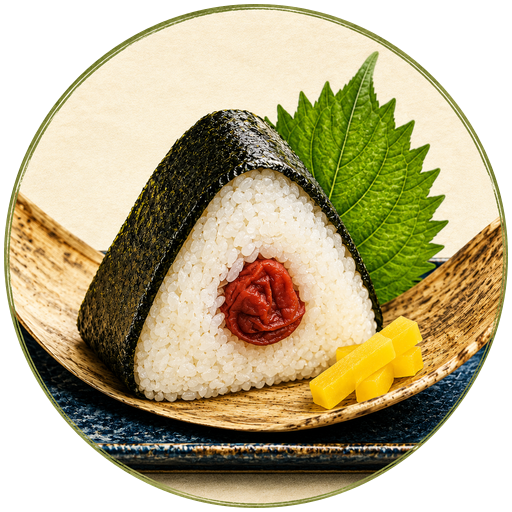
Moshio works well with plain shio onigiri, where rice and salt are the main flavors.
For more on choosing salt for rice balls, see Best Salt for Onigiri: What to Look for in Japanese Sea Salt.
If you're unsure how much salt to use or how to apply it when shaping rice balls, see How to Salt Onigiri.
Tofu
Try a small pinch on chilled or warm tofu.
You can leave it at that or add scallions, grated ginger, sesame, or another simple topping.
Vegetables
Use moshio as a finishing salt on steamed, roasted, or grilled vegetables.
Tempura
Salt is a common alternative to dipping sauce with tempura.
For vegan tempura, it works well with vegetables such as lotus root, mushrooms, sweet potato, eggplant, and kabocha squash.
Rice
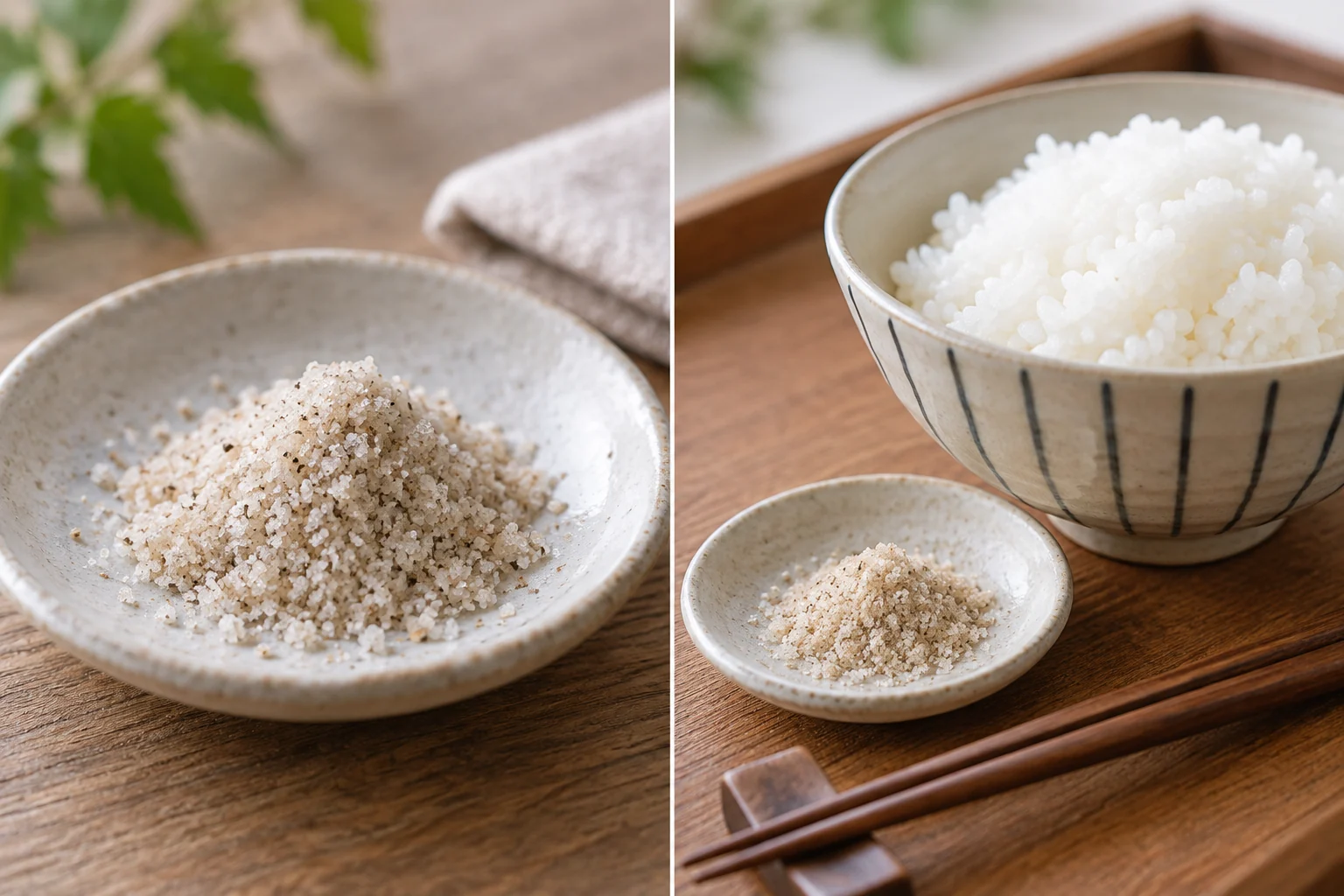
Freshly cooked Japanese short-grain rice is one of the easiest ways to get a sense of the salt itself.
Moshio and Japan’s Salt-Making History
Seaweed has been used in Japanese salt production for more than two thousand years.
A Japan Tourism Agency history of salt production describes moshio-yaki, an early method in which seaweed was dried until salt crystals formed on its surface. Those crystals were dissolved in seawater to make a concentrated brine, which was then boiled down in earthenware pots.
Modern moshio draws on that long seaweed-and-salt tradition, although today's producers use contemporary equipment and their own production methods.
Is Moshio Healthier Than Regular Salt?
I'd choose moshio for its taste, texture, and place in Japanese food culture rather than for health claims.
Some products contain minerals derived from seawater and seaweed, but moshio is still salt. Sodium and mineral content vary from product to product.
If you're limiting sodium, the amount of salt you use matters more than choosing a specialty salt because of its name.
Where Can You Buy Moshio Outside Japan?
Outside Japan, moshio is usually sold as a specialty Japanese ingredient rather than an everyday supermarket salt.
Look for it at:
- Japanese grocery stores
- specialty Japanese food shops
- online Japanese food retailers
- stores that carry regional Japanese seasonings
Useful search terms include moshio, Japanese seaweed salt, and the producer's name.
What to Look for on the Label
Japanese packages may include:
海水 — seawater
海藻 — seaweed
ホンダワラ — hondawara / Sargassum seaweed
藻塩 — moshio / seaweed salt
For a seasoning blend, read the rest of the ingredients as well, especially if you're looking for a vegan product.
The Best Way to Try Moshio
Start with something plain.
Warm rice, tofu, or a simply cooked vegetable makes it easier to notice the salt's color, texture, and savory character without a lot of other seasoning getting in the way.
If you already make onigiri at home, plain shio onigiri is an easy place to begin.
References
Hiroshima City — Amabito no Moshio