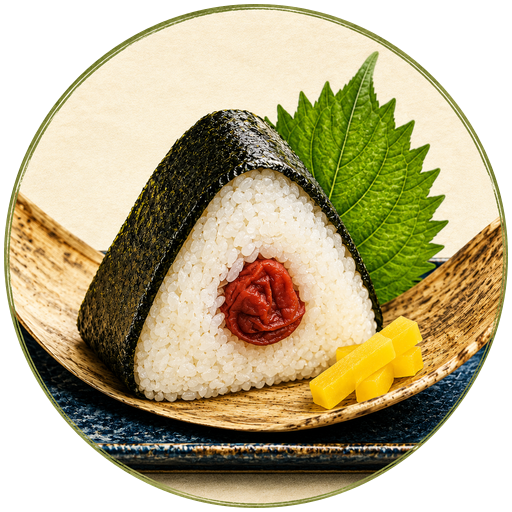
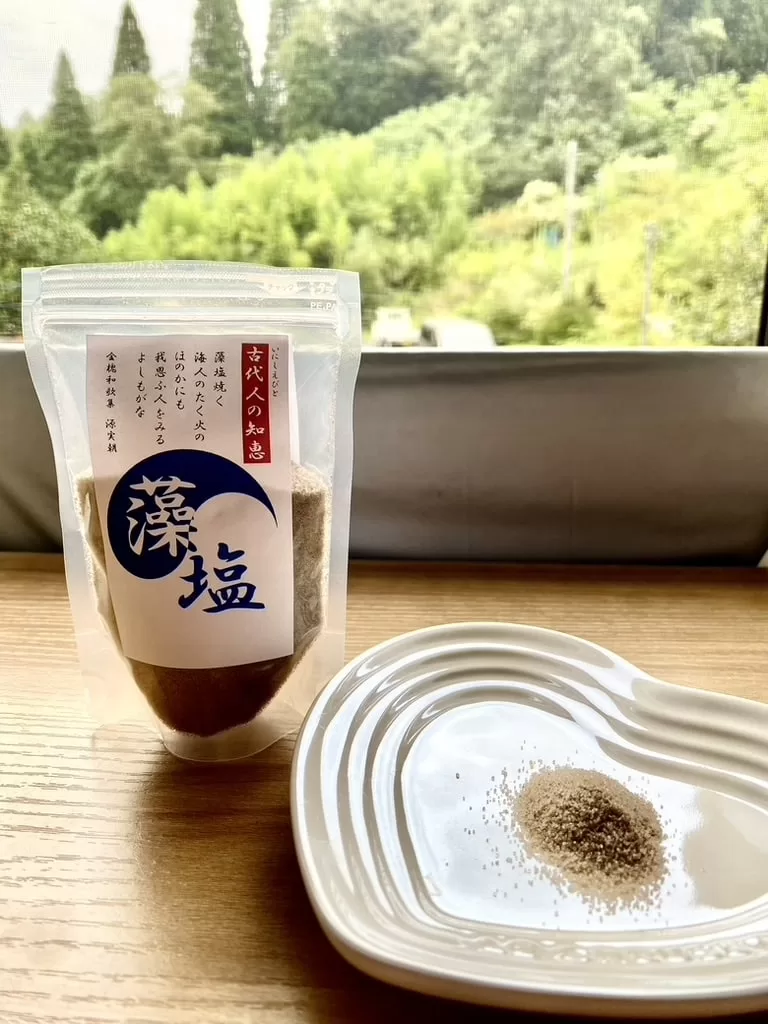
Moshio can be used in many of the same everyday dishes as regular salt. Depending on the product, moshio may have a mild, slightly savory, or subtly seaweed-like flavor. Try it with simple foods such as rice, onigiri, vegetables, tofu, and soups. Start with a little, taste the food, and add more only if it needs it.
Moshio is Japanese seaweed salt, but you do not need a special recipe to use it. A bowl of warm rice or a piece of plain tofu is an easy starting point. Products differ in crystal size, moisture, saltiness, and how noticeable their seaweed flavor is; a mild-tasting salt can still make food too salty.
For the ingredients, production methods, and background, see What Is Moshio Salt? Japanese Seaweed Salt Explained. This guide focuses on what to do with it once it is in your kitchen.
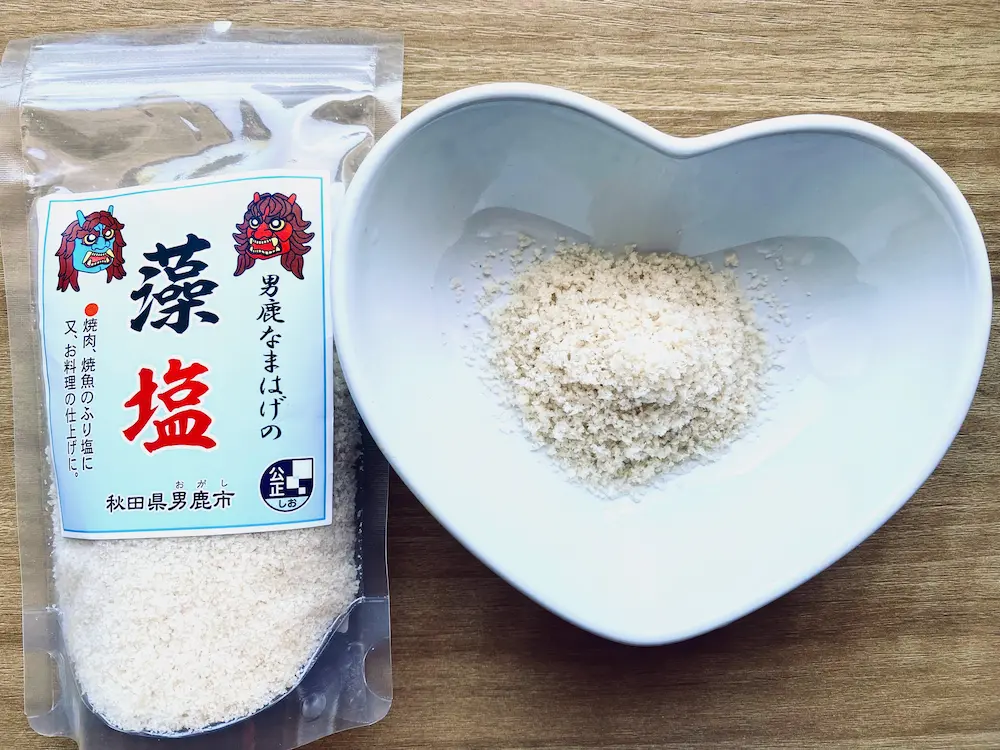
Can You Use Moshio Like Regular Salt?
Yes. Use plain moshio to season food during cooking or sprinkle it over a finished dish. It dissolves into soups and can also serve as a finishing salt on rice, tofu, or vegetables.
Use moshio in place of your usual salt, not in addition to it. If you already use soy sauce, miso, or a salty topping, taste before adding any more salt.
Check that you have plain moshio rather than a flavored seasoning blend. For vegan cooking, check blends for fish or other animal-derived ingredients.
How Much Moshio Should You Use?
There is no single conversion that works for every moshio and every table salt. Crystal size and moisture affect how much fits into a teaspoon, and flavor varies from one product to another.
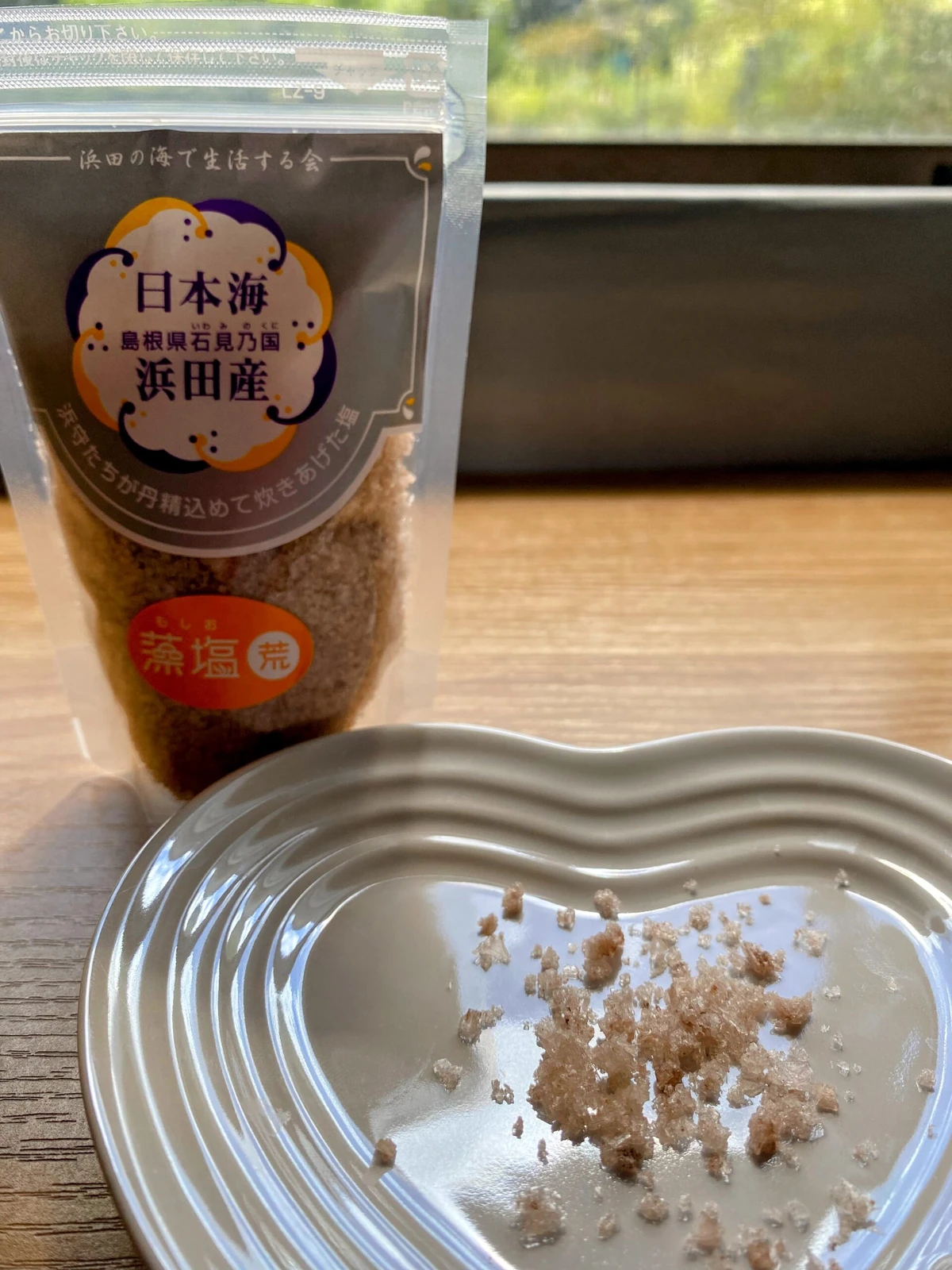
For food you can season to taste, use this approach:
- Season a small portion of the food first.
- Sprinkle a small pinch of moshio evenly over it.
- Taste a bite with the toppings or accompaniments you plan to serve.
- Adjust a little at a time, then season the remaining food in the same way.
A pinch isn't a precise measurement; taste as you go. For a recipe that gives salt in grams, weighing is more consistent than swapping spoonfuls of salts with different textures. A milder flavor doesn't mean you need more salt.
Moshio for Rice
Try moshio on a bowl of cooked rice first rather than seasoning the whole pot. That way, you can compare plain and lightly salted bites and season your portion to taste.
Sprinkle a little moshio over warm Japanese short-grain rice, taste, and add more if needed. For even seasoning, gently fold it into the rice.
Simple foods such as plain rice and shio onigiri make it easier to notice the salt's flavor. Rice served alongside salty pickles, miso soup, or a soy-sauce-seasoned dish may need no extra salt at all.
Leave off the furikake, sauces, and other toppings until you've tasted the rice with moshio alone. Then decide whether to add sesame seeds or a little nori.
Moshio for Onigiri
Plain shio onigiri is a practical place to use moshio because the salt is part of the main flavor, rather than a small addition to a heavily seasoned filling.
Set aside enough cooked rice for one rice ball. Mix in a little moshio, taste and adjust the seasoning, then shape the rice with plastic wrap or a mold.
If you prefer seasoning the outside, spread a little moshio over lightly dampened hands before shaping rice that is comfortable to handle. Break up any clumps first so you don't end up with one overly salty spot. Try one method at a time, and taste before adding salt both inside and out.
Use less added salt when the filling is already salty, such as umeboshi or a soy-sauce-seasoned mushroom filling. For amounts and shaping methods, see How to Salt Onigiri. To compare grain size and other salt choices, read Best Salt for Onigiri.
Once you have settled on the seasoning, explore Vegan Onigiri: 8 Authentic Japanese Rice Ball Fillings.
Moshio with Vegetables
Adding moshio after cooking lets you season each serving to taste and compare a salted piece with a plain one.
- Steamed vegetables: Let surface water drain from broccoli, carrots, or potatoes, then scatter a little moshio over them just before serving.
- Roasted or grilled vegetables: Cook kabocha, zucchini, or eggplant with a little oil, then taste before adding a light finishing sprinkle. If you salted them before cooking, they may not need more.
- Raw vegetables: Serve a little moshio alongside cucumber or tomato wedges and lightly dip a piece into it. Keeping the salt on the side lets you control how much you use.
Adjust these suggestions to the vegetables and salt you have. Taste before adding a dressing, which may mask the moshio's flavor.
Moshio with Tofu
For chilled tofu, drain the packing liquid, place the tofu on a small plate, and sprinkle a little moshio over the surface just before eating. Try a plain bite before adding sliced scallions, grated ginger, or toasted sesame seeds.
For warm tofu, lift it out of its cooking water, let excess water drain, and season on the plate. You can also offer moshio on the side so each person adds a little at a time.
Taste the tofu with moshio alone before reaching for soy sauce. If you want both, use less of each and taste as you go. Season lightly rather than covering the tofu with a thick layer of salt.
Moshio in Soups and Simple Japanese Cooking
Use moshio to adjust the saltiness of a simple vegetable soup or a broth made with kombu or dried shiitake. Add a little, stir until dissolved, and taste a cooled spoonful before adding more. Make the final adjustment near the end of cooking, once the liquid has reduced to the amount you plan to serve.
Moshio is a seasoning, not a replacement for dashi. If you want the flavor of a kombu or mushroom broth, make that broth first and use moshio to season it. Likewise, do not automatically add moshio to miso soup: dissolve the miso, taste, and decide whether anything else is needed.
Other simple uses include a small pinch in a vegetable stir-fry or a little salt served beside vegan vegetable tempura. Check the batter and any broth ingredients if you are keeping the meal plant-based.
In its Q&A, the Awaji Island producer also suggests using moshio with tofu, rice balls, tempura, and soups. Adjust the amount to suit your dish and the moshio you're using.
When Regular Salt May Be a Better Choice
Moshio does not need to replace every salt in your kitchen.
- Large pots of cooking water: Regular salt is a practical choice for pasta water or blanching water that you will drain away.
- Strongly flavored dishes: In a heavily seasoned sauce or curry, moshio's subtler character may be difficult to notice.
- Recipes that depend on a specified salt: For precise baking or preserving instructions, follow the recipe's salt type and weight rather than improvising a spoon-for-spoon substitution.
Use moshio where you enjoy its flavor. If you plan to add it at the table, go lighter on your everyday salt during cooking.
How to Store Moshio
Follow the storage instructions on the package. Reseal the bag firmly or use a clean, tightly closed container, and keep it away from steam and splashes near the stove. Use a dry spoon rather than reaching into the container with wet fingers while making onigiri.
Some moshio can clump with humidity. The Awaji Island producer notes that its salt may solidify depending on storage and suggests gently loosening it before use. Break up small clumps before sprinkling so the seasoning spreads more evenly.
For your first meal with moshio, choose one plain food: warm rice, tofu, or a cooked vegetable. Season a small portion, taste it, and let that guide how much you use next time.
Sources
These sources describe specific products and suggested uses; their flavor descriptions and product characteristics do not necessarily apply to every moshio.