Kombu (昆布) is an edible Japanese kelp used to make dashi, the savory stock behind miso soup and many simmered dishes. For vegan dashi, start with plain dried kombu, not a seasoned kelp product or a mixed stock that might contain fish.
If you have seen stiff, dark strips of seaweed at an Asian grocery store and wondered which bag to buy, a few Japanese label words make the choice much easier. Here's how to tell kombu from nori or wakame, choose the right kind, and use it in everyday cooking.
What is kombu?
Kombu is a name used for several kinds of edible brown kelp. In Japan, it is commonly sold dried in flat strips, sheets, or convenient pre-cut pieces. The dried kelp can be steeped in water to make kombu dashi, or softened and cooked as part of a dish.
Kombu isn't simply a garnish. It is a quiet source of umami, the savory taste that gives a stock body even when the other ingredients are mild. In Japanese home cooking, kombu appears in miso soup stock, clear soups, hot pots, simmered vegetables, and seasoned preparations eaten with rice.
Japan's northern island of Hokkaido is especially well known for kombu production. You'll sometimes see names such as Rishiri, Rausu, ma-kombu, or Hidaka on packages; they refer to different types or regional varieties, not different levels of vegan suitability.
Is kombu vegan?
Plain kombu is plant-based. A package containing only dried kelp is suitable for vegan cooking. But a food with “kombu” in its name is not necessarily made only from kelp.
For example, packaged shio kombu (seasoned salted kelp), kombu tsukudani (kelp simmered in a savory sauce), and ready-made dashi products may include other seasonings. Some recipes and packaged foods use bonito or seafood-derived ingredients. Read the full ingredient list rather than assuming that all seaweed products are vegan.
Japanese label words worth recognizing include:
| Japanese label | What it means | What to check |
|---|---|---|
| 昆布 / こんぶ | Kombu / kelp | For plain dried kombu, look for kelp as the only ingredient. |
| だし昆布 | Kombu sold for making stock | Generally the right kind to buy for plant-based dashi. |
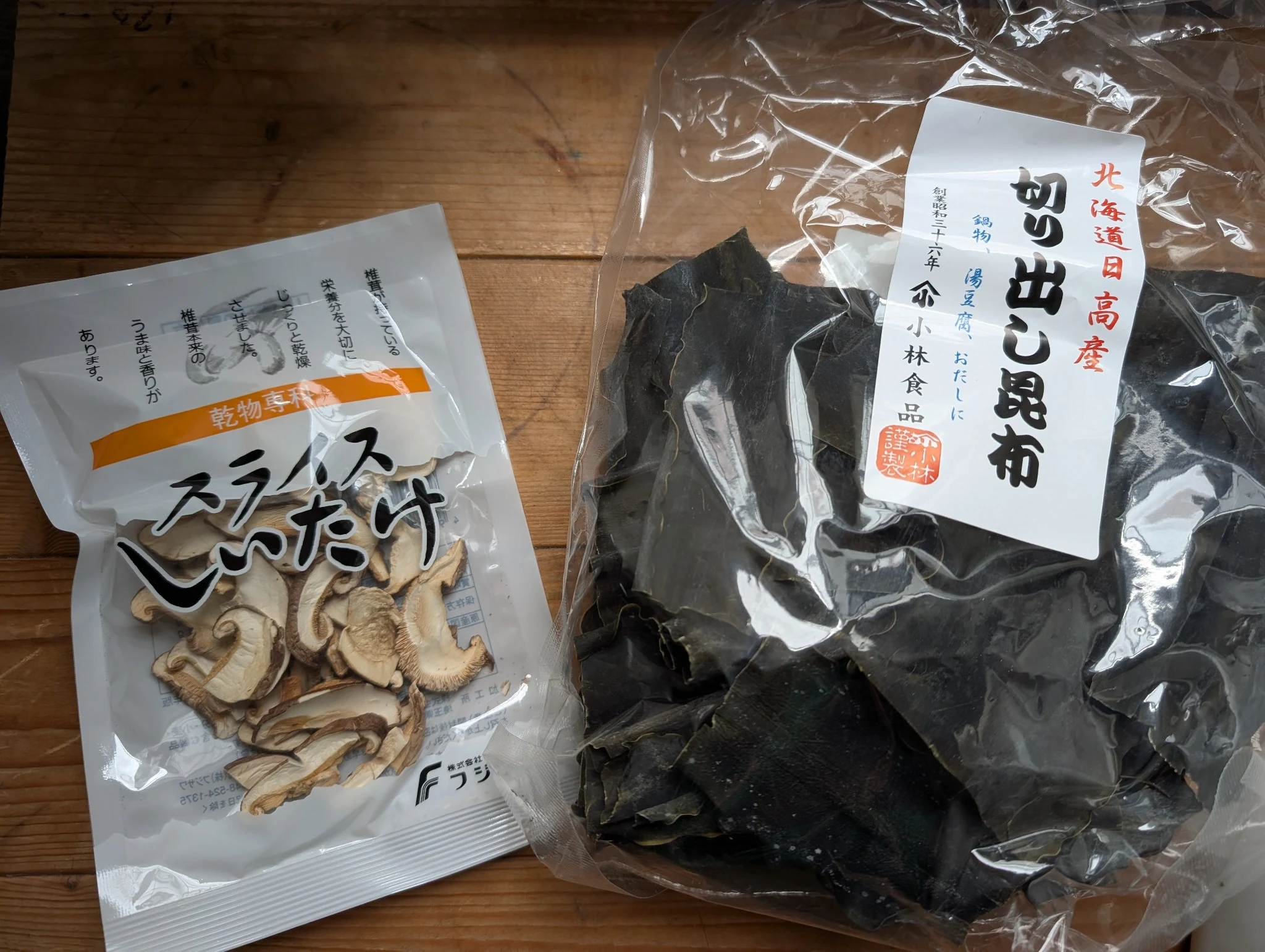
| 切り出し昆布 | Pre-cut pieces of kombu | Convenient for making stock; check the product label. |
| 塩昆布 | Seasoned salted kombu | Check any added flavorings or extracts. |
| 昆布の佃煮 | Kombu cooked in a savory sauce | Check the sauce and seasonings, particularly fish-derived ingredients. |
| かつお節 / かつおエキス | Bonito flakes / bonito extract | Not vegan. |
| 魚介エキス | Fish or seafood extract | Not vegan. |
Important distinction: Kombu dashi can be vegan, but awase dashi often combines kombu with bonito flakes. If you're checking a restaurant meal or an instant soup packet, ask about the entire stock, not just whether it contains kombu.
For more help, see Is Dashi Vegan? How to Check Japanese Dashi for Fish Ingredients.
Kombu, nori, and wakame: what's the difference?
These three foods are all called seaweed in English, but they have different jobs in the kitchen.
- Kombu is usually a thick dried kelp used to make stock and to cook in simmered dishes.
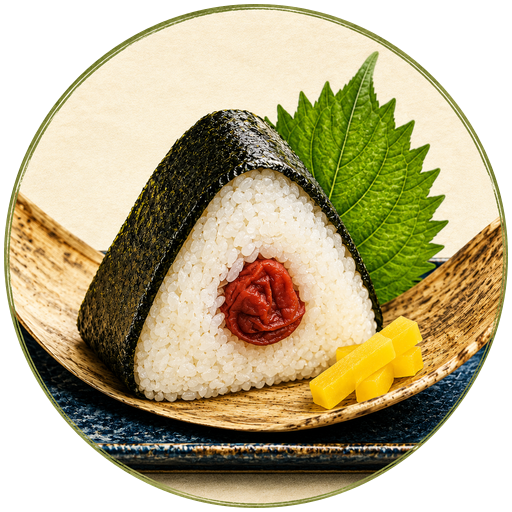
- Nori is the thin sheet commonly wrapped around onigiri or sushi rolls.
- Wakame is a softer seaweed frequently added to miso soup and salads after rehydrating.
You wouldn't normally replace the nori around a rice ball with a stiff piece of dried dashi kombu. Likewise, nori won't produce the same stock as kombu. If you're shopping in a Korean grocery store, dried kelp for stock may be labeled dashima; check the ingredients and packaging to confirm what you're buying.
Which kombu should you buy for vegan dashi?
For your first purchase, plain dried dashi kombu (だし昆布) is a practical choice. There is no need to start with an expensive regional variety. Match the label to what you want to cook:
| What you want to make | What to look for | Why |
|---|---|---|
| Everyday vegan dashi | Plain dried dashi kombu or pre-cut kombu | Simple to use for stock; check that the ingredient is only kelp. |
| A delicate, clear stock | Rishiri or ma-kombu, if available | Varieties often used when a lighter stock is the goal. |
| Stock plus a cooked kelp side dish | Hidaka kombu | Often used for both making stock and simmering until tender. |
| A ready-to-eat rice topping | Shio kombu or kombu tsukudani | These are seasoned foods, not interchangeable with plain dashi kombu; check for fish extracts. |
The regional names you may encounter include:
- Rishiri kombu (利尻昆布): Often selected for clear, fragrant dashi.
- Rausu kombu (羅臼昆布): Known for a pronounced, rich stock.
- Ma-kombu (真昆布): A classic stock-making kombu, associated with a rounded, delicate flavor.
- Hidaka kombu (日高昆布): Useful for stock and for dishes where you also eat the softened kelp.
Names and availability vary by retailer. A package simply marked “dried kombu” can also work well. The more important questions are whether it is plain rather than seasoned, whether its package is intact, and whether you're buying it for stock or for eating as part of a dish.
How to use kombu in vegan Japanese cooking
1. Make kombu and shiitake dashi
Steeping kombu with dried shiitake mushrooms produces a versatile plant-based stock for miso soup, noodles, and simmered vegetables. Want the quantities, soaking method, and original step-by-step photos? Follow my vegan dashi recipe with kombu and dried shiitake.
At home in Japan, I use cut dried kombu and sliced dried shiitake for a cold-water stock. It is an easy way to have a useful cooking base ready without relying on fish-based seasonings.
2. Add it to miso soup
Start with plant-based kombu or kombu-shiitake dashi, then dissolve in a miso paste whose ingredients you've checked. Add tofu, wakame, and seasonal vegetables as you like. Miso soup made with bonito dashi is not vegan even when all the visible additions are plant-based. See Is Miso Soup Vegan? for the ingredient-checking details.
3. Use it in simmered vegetables
Kombu stock is a gentle base for cooking daikon, carrots, mushrooms, tofu, and other vegetables. It gives the cooking liquid a savory foundation while letting the ingredients retain their own character.
4. Cook the softened kombu instead of throwing it away
After making dashi, the softened kelp doesn't have to go straight into the bin. At home, I often turn it into tsukudani or use it in miso soup and stir-fries. Slice it into manageable pieces and cook it until tender; thickness and cooking time will vary.
When making tsukudani, choose plant-based seasonings and check any prepared sauce. The kelp itself is vegan, but the finished dish depends on what you add.
5. Try a seasoned kombu filling for onigiri
A little finely cut, seasoned kombu can make a savory rice-ball filling. Homemade kombu cooked with a plant-based sauce is easy to check; packaged fillings require an ingredient-label check. For more ideas, visit Vegan Onigiri: 8 Authentic Japanese Rice Ball Fillings.
Why is there white powder on dried kombu?
A pale coating on dried kombu can be a naturally occurring surface substance, including mannitol, rather than a seasoning that was added after drying. There's usually no need to wash a sound piece of kombu aggressively before using it. If there is loose grit, wipe it gently.
However, a natural pale coating is not a reason to ignore obvious spoilage. If a product looks moldy, smells unusual, has become damp, or was stored improperly, follow the manufacturer's guidance or discard it. Don't judge food safety from color alone.
Where can you buy kombu in the United States?
Look in Japanese or other Asian grocery stores, where kombu may be stocked with dried seaweed, soup-making ingredients, or Japanese seasonings. Online Japanese grocery shops can be useful if you want a particular variety. Some natural-food retailers also carry plain dried kelp.
When shopping online, compare the ingredient list, weight, shipping location, and intended culinary use. A listing for “seaweed” might be nori, wakame, or a prepared snack rather than dashi kombu.
One product listing you can compare is Eden Foods Kombu, Sea Vegetable (about 60 g) on iHerb. The retailer lists kombu as the ingredient. I haven't reviewed this product firsthand; this is a shopping example based on the listed specifications. Check the current package label, destination availability, and price before ordering.
Check Eden Foods Kombu ingredients and package details on iHerb
How to store dried kombu
Keep unopened or opened dried kombu well sealed in a cool, dry place away from moisture and strong odors. Follow the storage instructions on your particular package. If you're opening a large bag only occasionally, divide it into smaller airtight portions to reduce exposure to humid air.
Once the kombu has been soaked or cooked, handle it as a perishable food rather than as a shelf-stable dried ingredient.
A note about iodine
Kombu naturally contains iodine, a nutrient needed for normal thyroid function. But its iodine content can be high and varies by type and preparation. More isn't automatically better: excessive iodine intake can also affect the thyroid. Use kombu as a culinary ingredient, not as a daily iodine supplement, and seek individualized advice if you have a thyroid condition or have been told to limit iodine. See the NIH Office of Dietary Supplements iodine fact sheet for more information.
The takeaway
If you're beginning to cook Japanese vegan food, start with a small package of plain dried kombu. Learn to make a simple plant-based dashi, use it in miso soup or vegetable dishes, and save the softened kelp for another meal. Once you know what kombu does, many Japanese ingredients and recipes become easier to understand.
Sources and further reading
- Kikkoman — Kombu / Kelp: Ingredient Glossary
- Hokkaido Kombu Business Cooperative — About Hokkaido Kombu (Japanese)
- Umami Information Center — Kombu (Kelp)
- Fujicco — Kombu Products and the White Surface Coating
- Kamada Soy Sauce — Product Allergen Information (including a seasoned shio-kombu example)
- NIH Office of Dietary Supplements — Iodine: Consumer Fact Sheet
- iHerb — Eden Foods Kombu, 60 g: Retailer Ingredient Listing
Related Japanese Vegan Guides
Vegan Dashi Recipe with Kombu and Dried Shiitake
Follow the quantities, cold-water method, and original cooking photographs.
Is Dashi Vegan? How to Check Japanese Dashi for Fish Ingredients
Recognize fish ingredients in stock and Japanese seasonings.